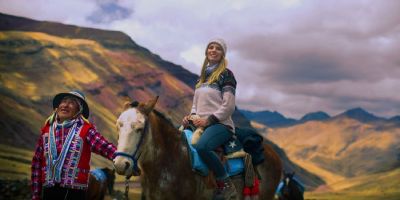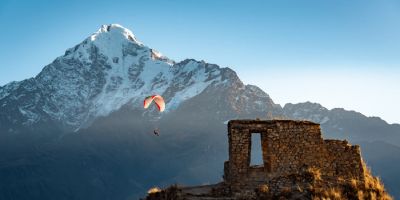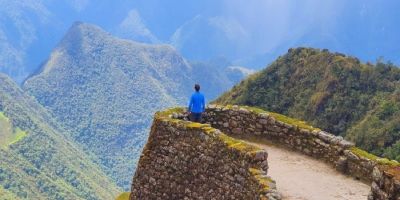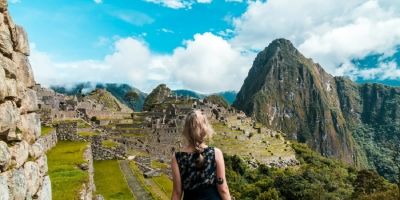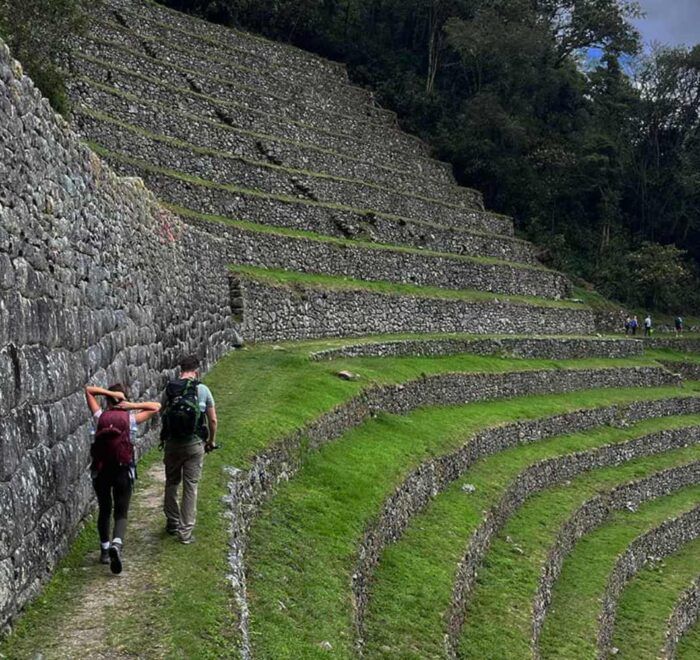

The Waqrapukara Trek is one of Peru’s best-kept secrets, offering travelers a rare opportunity to explore a spectacular Inca fortress far from crowds, commercial tourism, and busy routes. Unlike the famous Inca Trail or Salkantay Trek, Waqrapukara remains largely unknown to international visitors, making it the perfect destination for travelers seeking authentic adventure, dramatic landscapes, and deep cultural immersion.
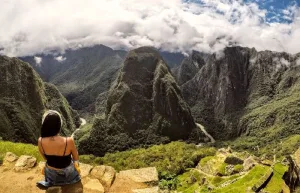
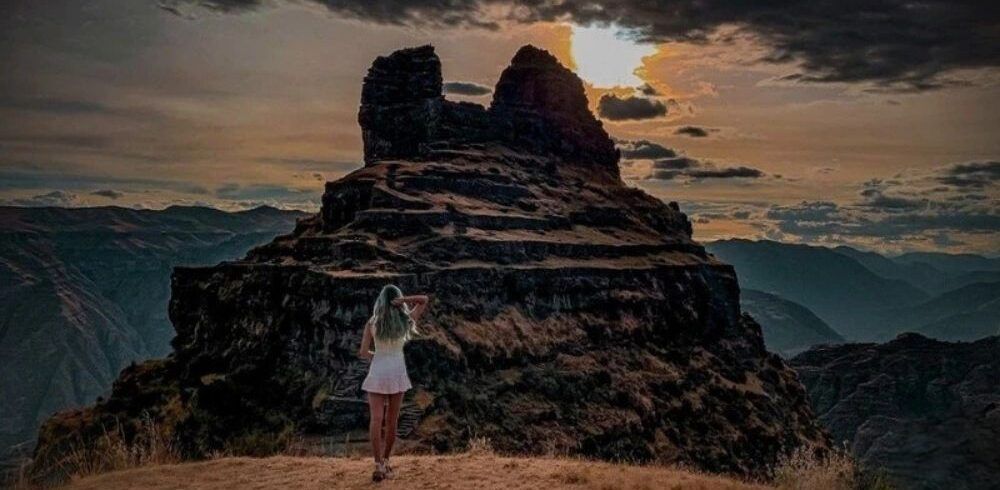
Perched high above the Apurímac River canyon, Waqrapukara looks like a stone citadel carved directly into the cliffs. Its name means “Horn Fortress” in Quechua, inspired by the twin rock formations that rise above the ruins like massive horns guarding the site. This powerful setting, combined with ancient Inca architecture and panoramic mountain views, makes the Waqrapukara Trek one of the most rewarding day hikes near Cusco.
In this complete guide, you’ll discover everything you need to know about the Waqrapukara Trek, including how to get there, difficulty level, best time to visit, what to pack, and why this hidden jewel of the Inca Empire deserves a place on your Peru itinerary.
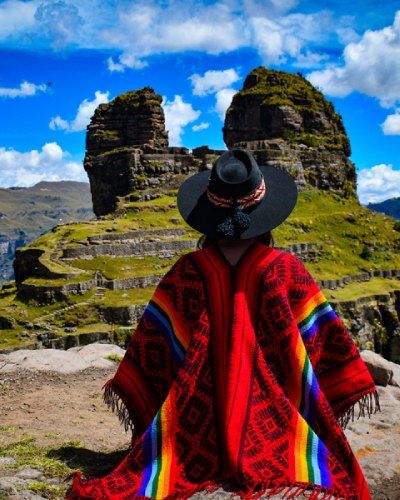
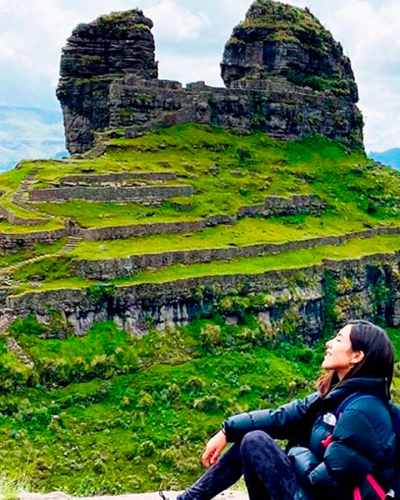
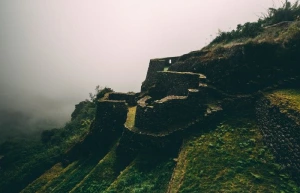
The Waqrapukara Trek is a high-altitude hiking route leading to an ancient Inca ceremonial and defensive complex dramatically built on a rocky outcrop above the Apurímac Canyon. Unlike Machu Picchu or Ollantaytambo, Waqrapukara was never fully excavated or reconstructed, which gives it a raw, mystical atmosphere that feels untouched by time.
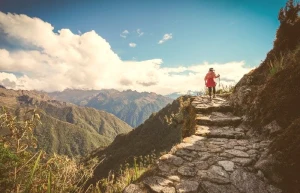
Archaeologists believe Waqrapukara served both religious and strategic purposes. Its temples, plazas, stairways, and terraces suggest ceremonial importance, while its remote cliffside location indicates defensive use as well. Today, visitors walk through stone gateways, climb original staircases, and explore platforms with sweeping views of surrounding valleys and snowcapped peaks.
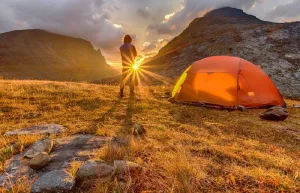
The trek itself is typically done as a full-day hike from Cusco, although adventurous travelers can also camp nearby for sunrise and sunset visits. With fewer than a fraction of the visitors seen at major Inca sites, the Waqrapukara Trek offers solitude, authenticity, and an unforgettable sense of discovery
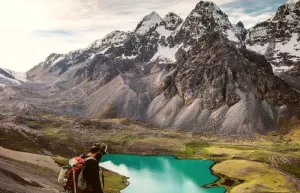
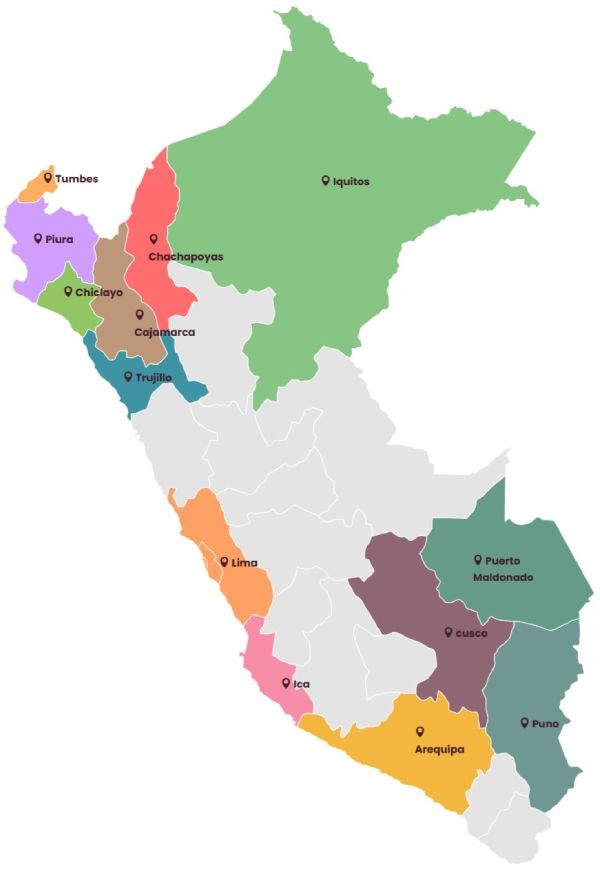
Waqrapukara is located in the Cusco region of southern Peru, overlooking the dramatic Apurímac River canyon, one of the deepest canyons in South America. The site sits at approximately 4,300 meters (14,100 feet) above sea level, making it one of the highest archaeological complexes in the Andes.
The closest communities include Huayqui, Sangarará, and Pitumarca, depending on the access route chosen. From Cusco, the journey takes approximately four to five hours by vehicle to reach the trailhead, followed by a moderate hike of two to three hours to the ruins.
Its remote location is precisely what preserves its charm. Unlike Machu Picchu, Waqrapukara remains untouched by large tourism infrastructure, allowing travelers to experience the site in near silence, surrounded only by wind, mountains, and sky.
Getting to the Waqrapukara Trek is part of the adventure and contributes to its off-the-beaten-path appeal. Most travelers start from Cusco and drive south through the Andean highlands toward the Apurímac Canyon. The journey passes through traditional villages, open plains, and dramatic landscapes rarely seen by tourists.
There are two main hiking routes to Waqrapukara. The most popular and accessible route begins near Huayqui, offering a moderate ascent with spectacular canyon views. Another more adventurous route starts from Pitumarca and includes steeper sections and more rugged terrain, making it suitable for experienced hikers seeking a greater challenge.
Many travelers choose guided tours, which include transportation, meals, and professional guides who provide historical context and ensure safety at high altitude. Independent travelers can also reach the site with private transport, but due to remote roads and lack of signage, first-time visitors usually prefer going with an experienced operator.
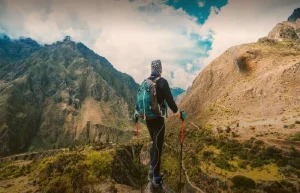
The Waqrapukara Trek is considered moderate in difficulty but demanding due to its high elevation. The hike typically involves two to three hours of uphill walking, with some steep sections and uneven terrain. While no technical climbing is required, the altitude makes the ascent physically challenging for travelers who are not properly acclimatized.
The site sits above 4,300 meters, meaning oxygen levels are significantly lower than at sea level. For this reason, spending at least two days acclimatizing in Cusco or the Sacred Valley before attempting the trek is strongly recommended. Travelers should walk at a steady pace, stay hydrated, and take breaks when needed.
Despite the physical demands, the trail is accessible to most travelers with average fitness levels who are properly acclimated. The reward at the summit — panoramic canyon views, ancient stone structures, and near-total solitude — makes every step worthwhile
The best time to hike the Waqrapukara Trek is during the dry season, which runs from May to September. During these months, weather conditions are generally stable, skies are clear, and visibility across the canyon is excellent. These months offer the best conditions for photography and comfortable trekking.
The shoulder seasons of April and October can also be excellent times to visit, with fewer visitors and still relatively good weather. The rainy season from November to March brings greener landscapes but also increases the risk of muddy trails, cloud cover, and limited visibility. January and February are especially wet and less ideal for hiking.
No matter the season, mornings at Waqrapukara tend to be cold due to the high altitude, while midday temperatures can rise quickly under the Andean sun. Dressing in layers is essential for comfort throughout the day.
Packing properly for the Waqrapukara Trek ensures a safe, comfortable, and enjoyable experience. Due to the high altitude and changing weather conditions, layered clothing is essential. A moisture-wicking base layer, insulating mid-layer, and waterproof outer jacket will keep you prepared for cold winds, sun exposure, and potential rain.
Sturdy hiking boots with good traction are strongly recommended due to rocky and uneven terrain. Sun protection, including sunscreen, sunglasses, and a wide-brimmed hat, is essential at high elevations where UV exposure is intense. Trekking poles can be helpful during both ascent and descent, especially on steeper sections.
Carry sufficient water, snacks, and energy food, as there are no shops or facilities along the trail. A small backpack with personal medication, altitude sickness tablets if prescribed, and a camera or phone for photos completes your essential gear list.
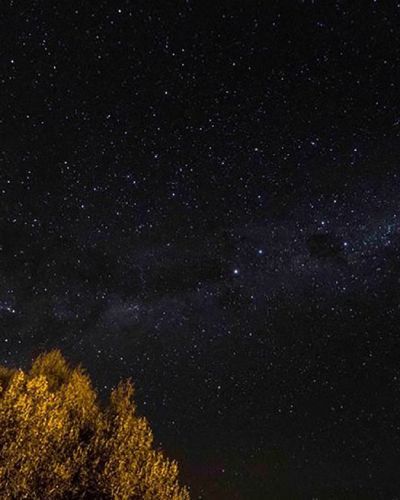
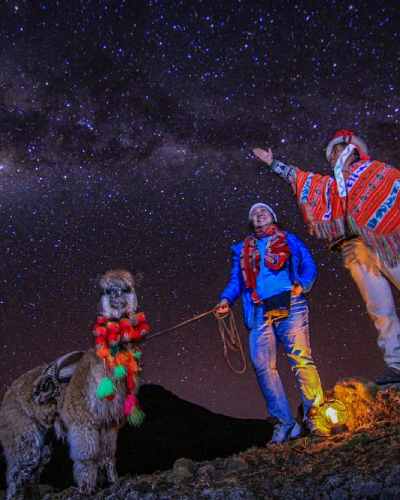
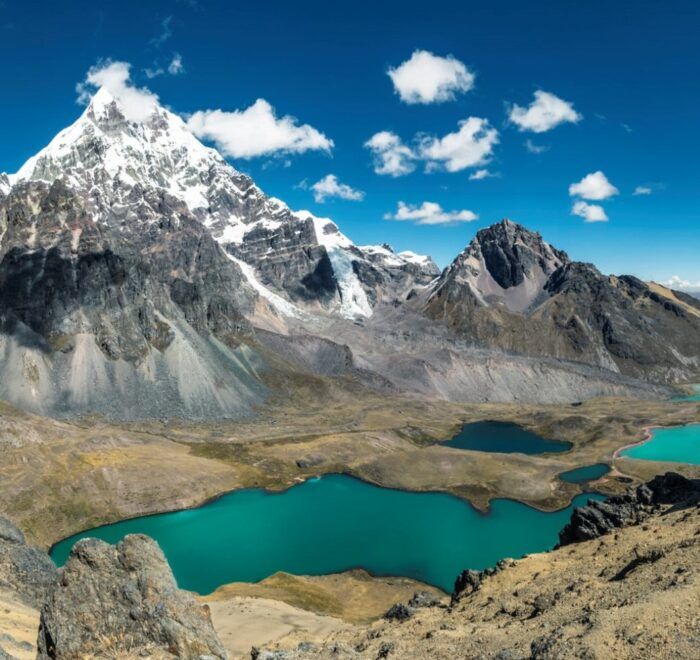
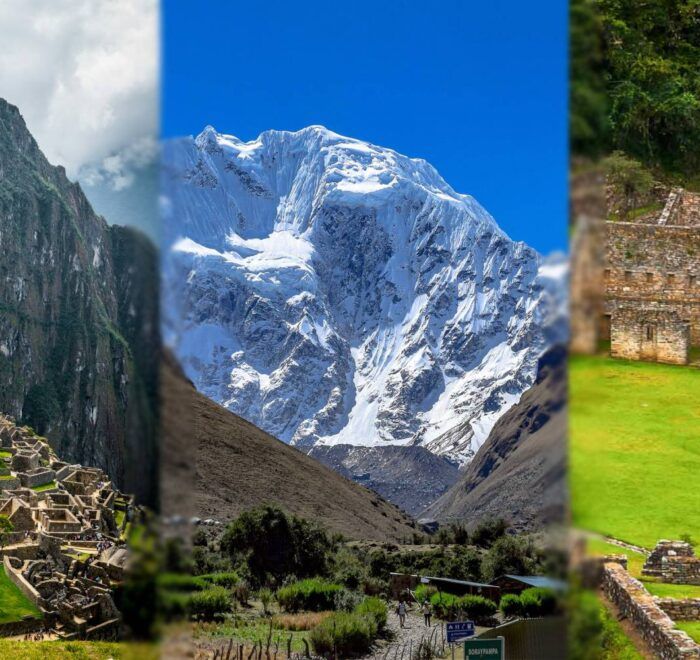
Compared to iconic routes like the Inca Trail and Salkantay Trek, the Waqrapukara Trek offers a completely different type of experience. While the Inca Trail emphasizes ancient ruins and ceremonial pathways and Salkantay showcases massive glaciers and alpine landscapes, Waqrapukara delivers solitude, raw scenery, and archaeological mystery.
Unlike the Inca Trail, Waqrapukara does not require permits and can be booked last-minute. It also attracts far fewer visitors, making it ideal for travelers who want to avoid crowds and experience Peru in a more authentic way. Compared to longer treks like Salkantay or Ausangate, Waqrapukara can be completed in a single day, making it perfect for travelers with limited time who still want a high-impact adventure.
This trek appeals especially to photographers, history lovers, and travelers seeking hidden gems beyond mainstream tourism routes.
Choosing the Waqrapukara Trek means choosing discovery, solitude, and connection with Peru’s ancient past. This route offers one of the most dramatic archaeological settings in the Andes, combining massive canyon views with mysterious Inca stonework carved directly into cliffs.
The absence of crowds allows visitors to explore the site in silence, take photos without interruption, and feel a rare sense of connection to history and nature. Unlike heavily trafficked destinations, Waqrapukara still feels wild and sacred, making it one of the most meaningful archaeological hikes in southern Peru.
For travelers seeking something truly unique — far from buses, trains, and mass tourism — Waqrapukara represents the essence of adventure travel in Peru.
Before attempting the Waqrapukara Trek, spend at least two days acclimatizing in Cusco or the Sacred Valley. Stay hydrated, avoid alcohol, and eat light meals before trekking. Hiring a licensed guide is recommended, especially for first-time visitors, due to the remote location and high elevation.
Start early in the morning to maximize daylight, enjoy cooler temperatures during the ascent, and allow time for exploration at the summit. Weather conditions can change rapidly at altitude, so always carry warm layers and rain protection even on clear days.
Finally, respect the site by staying on marked paths, avoiding damage to stone structures, and carrying out all trash. Preserving Waqrapukara ensures future travelers can enjoy this hidden jewel of the Inca Empire.
If you don’t know which month to choose for your hike, contact us and we will guide you and plan your trip together in a flexible and comfortable way.