Inca Trail

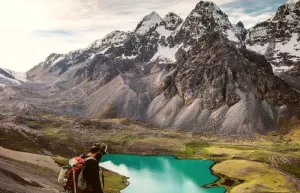
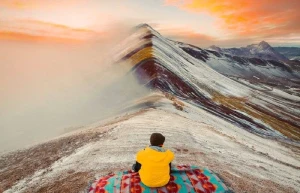
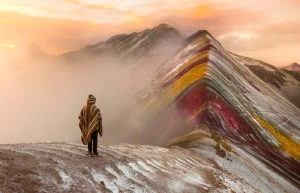
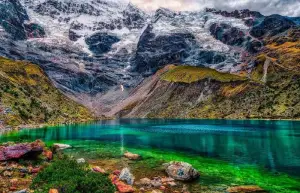
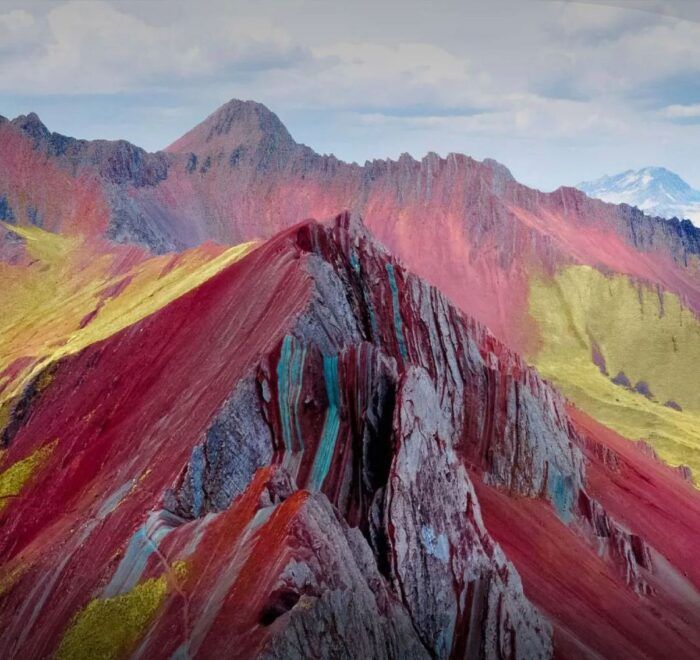
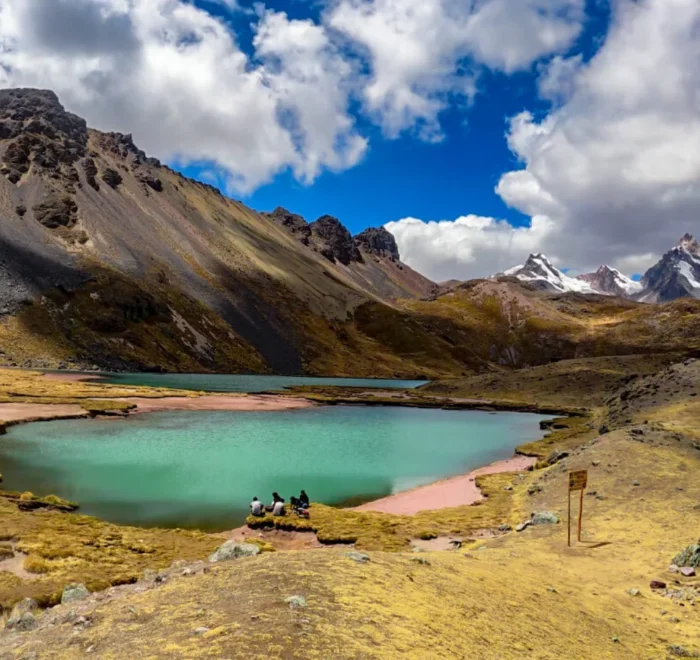
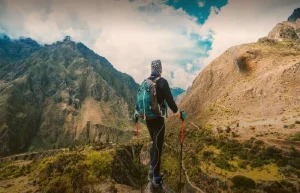
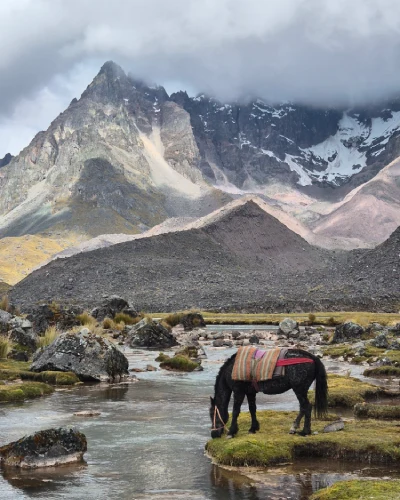
The Ausangate Trek is one of the most breathtaking high-altitude routes in Peru and the world. Located in the majestic Vilcanota mountain range, south of Cusco, this trek is renowned for its stunning glaciers, turquoise lagoons, multicolored mountains, passes exceeding 5,000 meters above sea level, and Quechua communities that keep their ancestral traditions alive.
If you’re planning your adventure, one of the first questions that arises is: When is the best time to do the Ausangate Trek?
Here is a complete, up-to-date, and comprehensive guide covering weather, recommendations, routes, equipment, physical preparation, and tips to help you make the most of this experience.
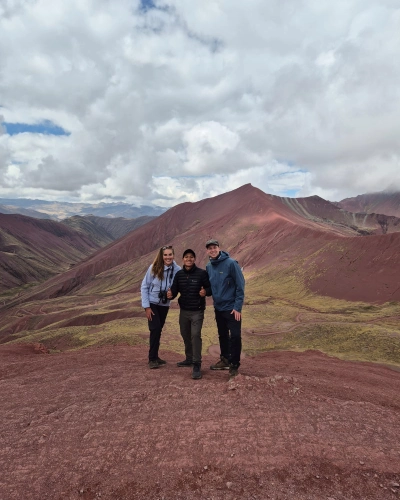
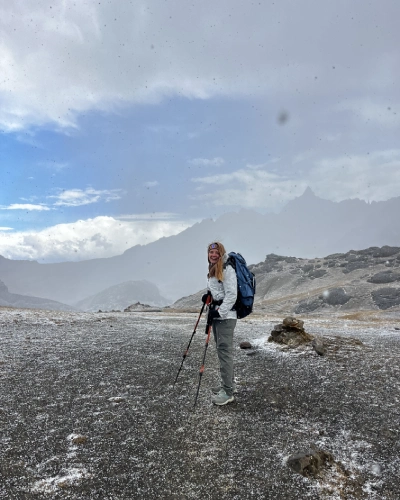
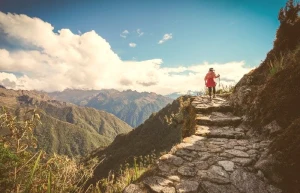
The dry season is considered the best time of year to hike the Ausangate Trek. It is characterized by sunny days, dry air, clear skies, and exceptional visibility that allows you to fully appreciate the glaciers, mountains, and turquoise lagoons of the area.
Although it is the most recommended season for hiking, this circuit never gets overcrowded due to its level of physical exertion and altitude, making the experience a peaceful, authentic trek, perfect for those seeking genuine contact with nature.
Official start of the dry season. There may still be some light drizzle at the beginning of the month, but the weather improves considerably as the days go by. The mountains tend to look greener thanks to recent rains, and the trails are in excellent condition. It is one of the best months because there are still fewer tourists, and the temperatures are more pleasant compared to the peak Andean winter months.
The driest month of the year. Ideal for clear views, firm trails, and very stable weather conditions for safer trekking. However, the nights are noticeably cold, so a good high-altitude sleeping bag is essential. It coincides with Cusco’s most important festivals, such as Inti Raymi, so the region in general receives more visitors, although the Ausangate route remains quiet.
The coldest month of the year. The days are usually very clear, with intense sunshine and low humidity, but the nights can drop below freezing, especially in the higher areas of the circuit. Even so, the clear skies guarantee spectacular landscapes, ideal for photography enthusiasts. Due to strong UV radiation, it is essential to use sunscreen, sunglasses, and a hat at all times.
The cold weather continues at night, although the days begin to warm up slightly. It’s traditionally a windy month in the Andean region, but with very little rain and excellent visibility. It’s a perfect time for photographers and those seeking trekking under intensely blue skies. It’s also a popular month for travelers looking for adventure experiences without weather interruptions.
Temperatures become more pleasant, allowing for more comfortable hikes both day and night. Nights are less cold, and days tend to be warm, with gentle breezes and clear skies. There may be occasional light drizzle, but it generally doesn’t affect the trek. It’s one of the most recommended months due to its balance of ideal weather and fewer visitors.
The warmest month of the year in the area. Although it’s still within the dry season, the gradual start of the rainy season becomes noticeable towards the end of the month. The vegetation begins to change color, and the air feels cooler. It’s an ideal month for those last treks with completely clear views before the return of heavier rainfall. Perfect for those who prefer greater thermal comfort without sacrificing good weather.
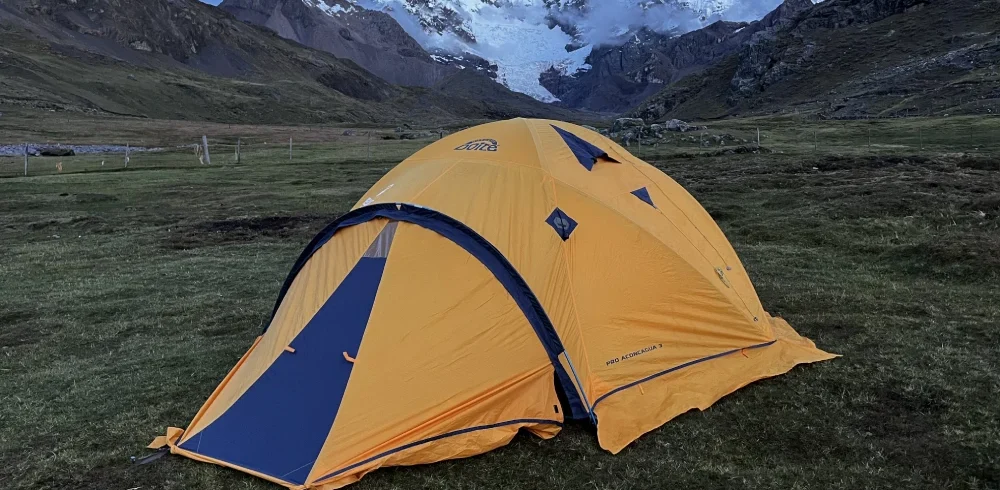
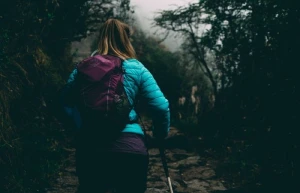
The rainy season is characterized by humid days, cloudy skies, and showers that can occur at any time of day. Although it rarely rains continuously throughout the day, the weather becomes much more unpredictable: you can experience bright sunshine, heavy downpours, thick fog, and even hail in a matter of hours.
This month marks the transition between the dry and wet seasons. The days are still pleasant with moderate temperatures, but the likelihood of rain increases as the month progresses. Clouds often appear at sunset, and light showers occur in the afternoon or evening. Although the landscapes may appear dry after the end of the dry season, the mild weather creates a pleasant environment for hiking. It is an ideal month for those seeking a balance between moderate weather and fewer tourists.
Summer begins in Cusco, but remember that Ausangate trek is at a high altitude, so temperatures remain cool at night and in the early morning. Dry days can feel relatively warm in the sun, but the rains become increasingly frequent and prolonged. This month marks the true start of the rainy season, so it’s essential to pack a raincoat, warm clothing, and backpack protection. The landscapes begin to turn greener, and the rivers swell.
One of the rainiest months of the year. Showers occur almost daily, although they are usually brief and alternate with sunny spells that help to partially dry the trails. Humidity is high, and fog can blanket the landscape in certain sections, reducing visibility. While trekking is possible, it’s crucial to have appropriate equipment and be prepared to adjust your pace according to weather conditions.
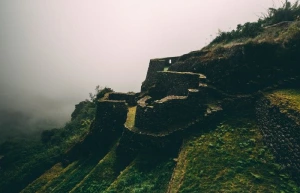
The rainiest month of the year. Trails can become very slippery due to mud, and some trails in the Cusco region are temporarily closed for safety reasons, such as the famous Inca Trail. If you decide to trek Ausangate in February, be prepared for cold weather, cloudy skies, frequent rain, and occasional strong winds. It is only recommended for experienced hikers in excellent physical condition, as the weather can demand more effort on each section.
Rain continues regularly, although clear days and longer periods of sunshine are becoming more frequent as the transition to the dry season approaches. The trails may still be wet or muddy, so good equipment, especially appropriate footwear, is essential. Even so, the landscapes begin to look more vibrant and green, making the trek a visually stunning experience.
One of the best months of the year for those who want to avoid large crowds and don’t mind the occasional drizzle. Rainfall decreases significantly compared to previous months, and the skies begin to clear, allowing for clearer views of the mountains and glaciers. The combination of renewed vegetation and transitioning weather creates one of the most colorful landscapes in the region. It’s an excellent month for those seeking intermediate conditions before the start of the dry season.
Here we have SENAMHI, regarding the climates in Peru.
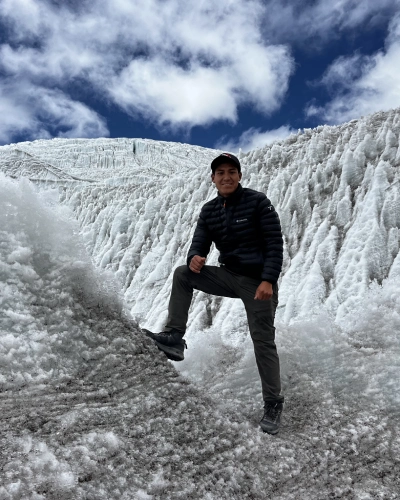
Being well-prepared is key to enjoying this high-altitude trek. In Ausangate, you’ll face cold weather, intense radiation, and challenging terrain, so having the right gear will make all the difference. Here’s a clear, practical list designed to ensure you have a safe, comfortable, and memorable experience.
If you don’t know which month to choose for your hike, contact us and we will guide you and plan your trip together in a flexible and comfortable way.