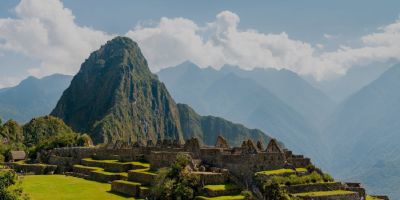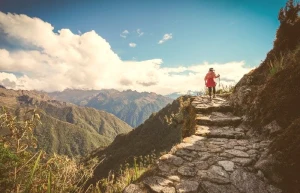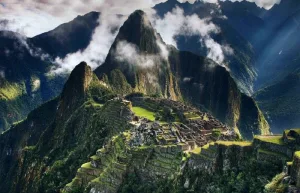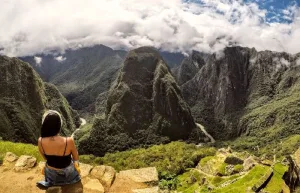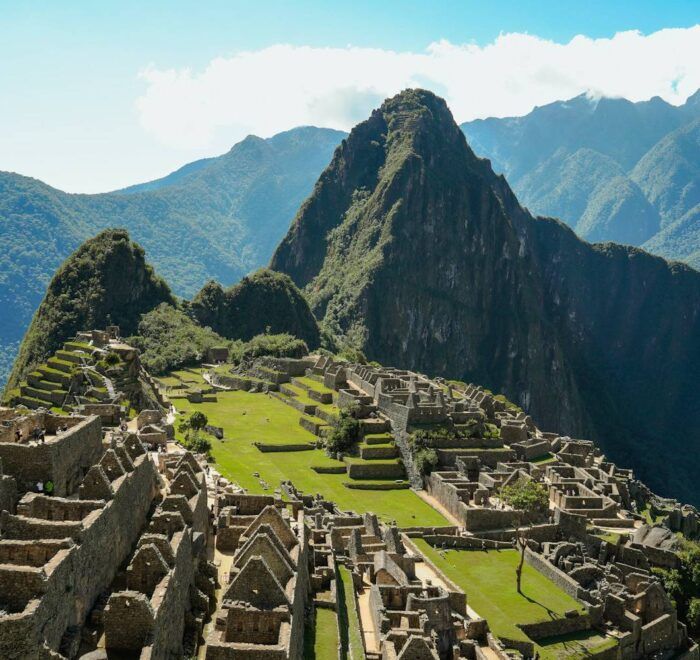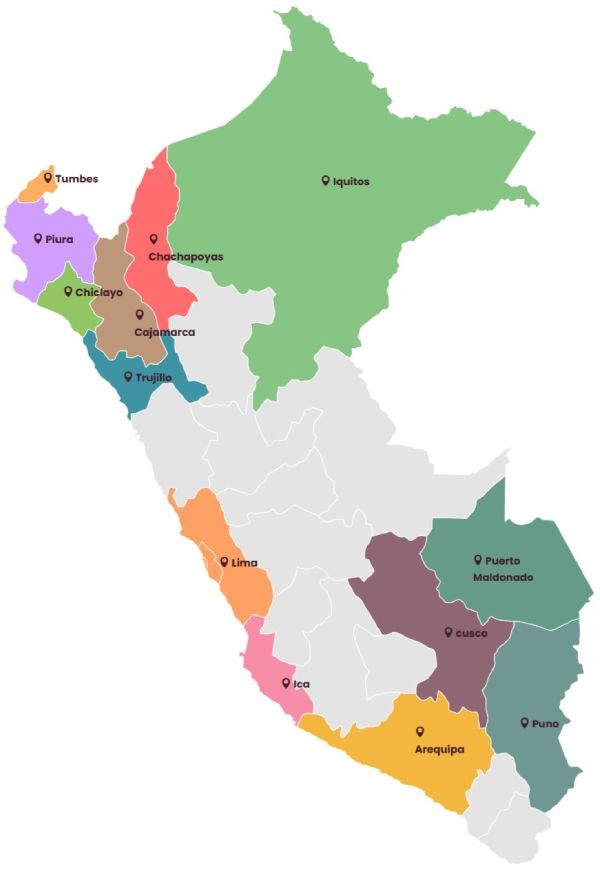

The Inca Trail to Machu Picchu is the most legendary trekking route in South America and one of the most iconic hikes on Earth. Following ancient stone paths built more than 500 years ago by the Incas, this journey leads travelers through breathtaking Andean landscapes, lush cloud forests, high mountain passes, sacred archaeological sites, and finally to the world wonder of Machu Picchu, entered dramatically through the Sun Gate (Inti Punku).
Every year, thousands of travelers dream of hiking the Inca Trail, but many don’t realize there are two official versions of this historic route:
✔ The Classic Inca Trail (4 days)
✔ The Short Inca Trail (2 days)
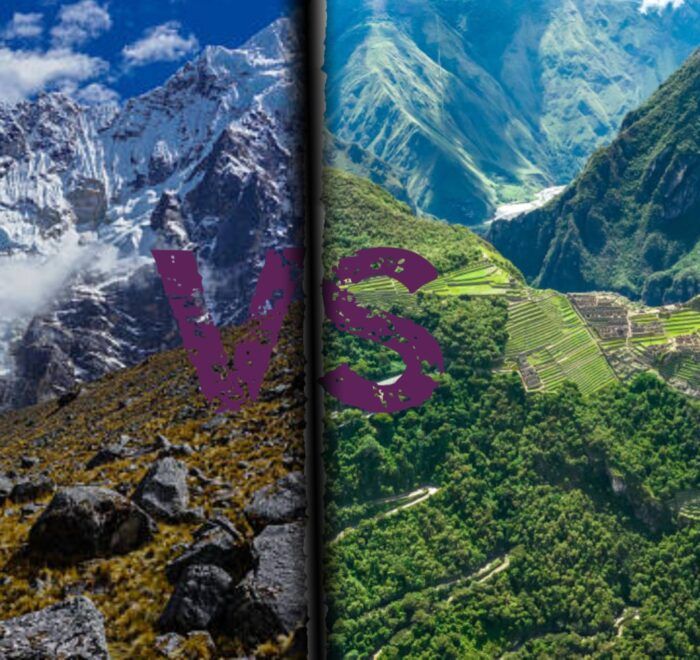
Both options offer authentic Inca paths, stunning scenery, and direct access to Machu Picchu, but they differ in length, difficulty, comfort, altitude, permits, landscapes, and overall experience.
In this in-depth guide, we’ll explore everything you need to know about the Classic Inca Trail vs the Short Inca Trail, including routes, daily itineraries, archaeological highlights, physical demands, weather conditions, permits, packing lists, cultural significance, environmental impact, and how to choose the perfect trek for your travel style — ensuring your journey to Machu Picchu is unforgettable.
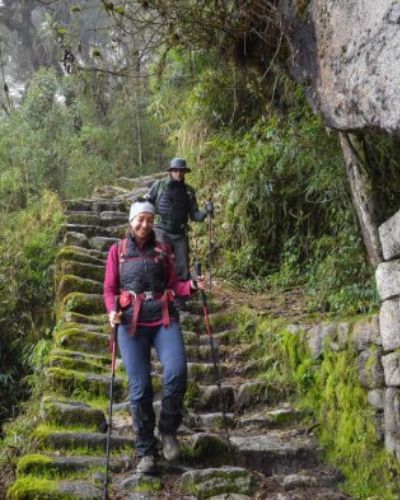
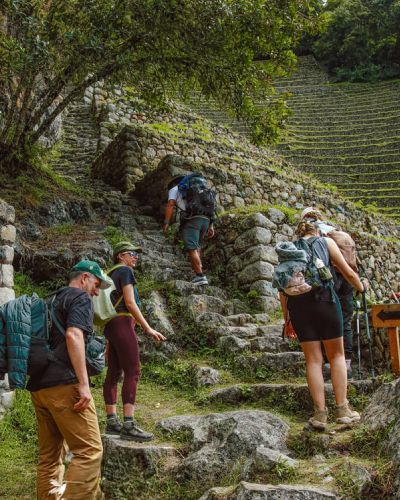
The Inca Trail is not just a hike — it is a journey through living history. Unlike other treks that simply end at Machu Picchu, the Inca Trail was specifically designed by the Incas as a ceremonial pilgrimage route, leading travelers through sacred valleys, mountain passes, and temples before arriving at the citadel through the Sun Gate, symbolizing spiritual rebirth.
This combination of:
✔ Ancient engineering
✔ Diverse ecosystems
✔ High-altitude mountain scenery
✔ Sacred archaeological sites
✔ A dramatic entrance to Machu Picchu
…makes the Inca Trail a once-in-a-lifetime experience unmatched anywhere else in the world.
Both the Classic and Short Inca Trail preserve this authentic journey, but they offer different levels of adventure and immersion.
The Classic Inca Trail is a 4-day / 3-night trek covering approximately 42 km (26 miles) from Km 82 near Ollantaytambo to Machu Picchu. It passes through multiple ecological zones — from dry highland valleys to humid cloud forests — and includes more than 20 archaeological sites along the route.
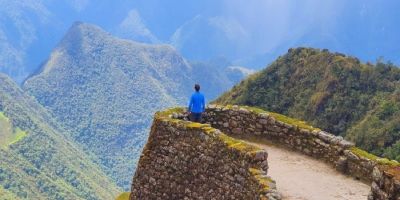
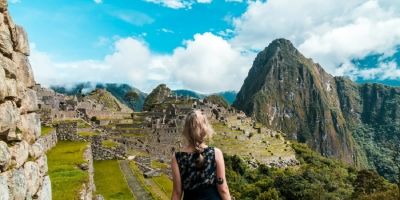
The most iconic moment comes early on Day 4, when hikers reach the Sun Gate (Inti Punku) at sunrise and witness their first breathtaking view of Machu Picchu from above — a perspective reserved only for Inca Trail hikers.
Due to conservation efforts and UNESCO protections, access is strictly regulated, with only 500 people per day (including guides and porters) allowed on the Classic Inca Trail.
The Short Inca Trail, also called the 2-Day Inca Trail, is a shorter and easier alternative that still delivers the most iconic elements of the Classic route — authentic Inca paths, beautiful ruins, lush cloud forest scenery, and the legendary Sun Gate entrance to Machu Picchu.
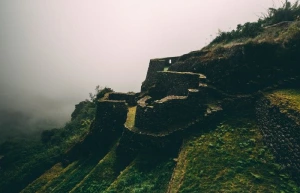
Covering about 12 km (7.5 miles) from Km 104, this trek skips the higher mountain passes but includes some of the most spectacular ruins on the entire trail network, especially Wiñay Wayna, often considered more impressive than many structures inside Machu Picchu itself.
The Short Inca Trail is perfect for travelers who want:
✔ The authentic Inca Trail experience
✔ A shorter, less demanding hike
✔ Hotel comfort instead of camping
✔ Easier permit availability
Feature |
Classic Inca Trail (4 Days) |
Short Inca Trail (2 Days) |
|---|---|---|
| Duration | 4 days / 3 nights | 2 days / 1 night |
| Distance | 42 km / 26 miles | 12 km / 7.5 miles |
| Maximum Altitude | 4,215 m / 13,828 ft (Dead Woman’s Pass) | 2,720 m / 8,924 ft |
| Difficulty | Moderate to challenging | Easy to moderate |
| Camping | Yes (3 nights) | No camping |
| Hotel Stay | No | Yes |
| Archaeological Sites | Many ruins along entire route | Wiñay Wayna, Intipata |
| Landscapes | Mountains, cloud forest, valleys | Cloud forest, jungle valleys |
| Entry to Machu Picchu | Sun Gate at sunrise | Sun Gate in afternoon |
| Permit Availability | Very limited | More available |
| Ideal For | Adventure trekkers | Families, short trips |
| Comfort Level | Moderate | Higher |
| Crowds | Moderate (controlled) | Lower |
| Time Commitment | High | Low |
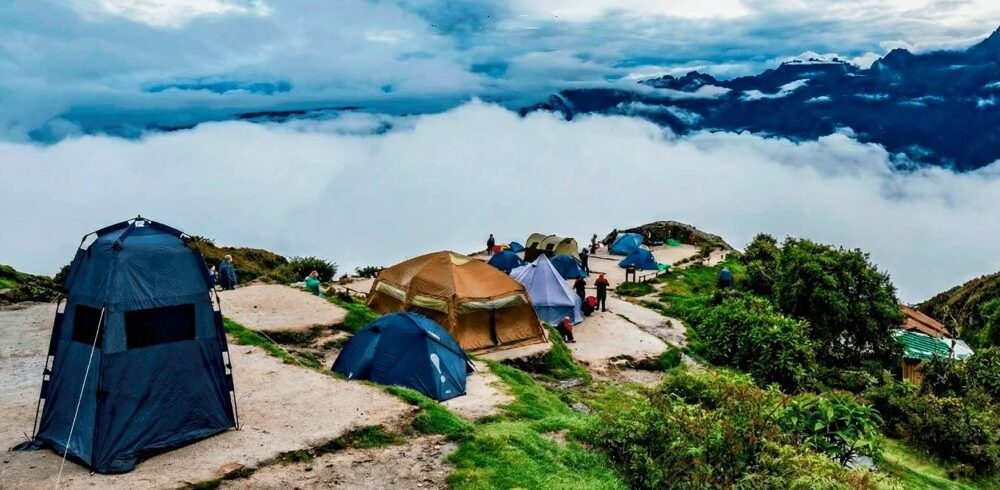
Your adventure begins early in the morning with pickup from your hotel in Cusco and a scenic drive through the Sacred Valley to Km 82, the official trailhead of the Classic Inca Trail. After crossing the Urubamba River and passing the control checkpoint, hikers step onto ancient stone paths that have connected Andean civilizations for centuries.
The first day is considered moderate and serves as a warm-up. You’ll walk through open valleys, farmland, and traditional villages, with stunning views of snow-capped peaks such as Veronica Mountain. One of the highlights is the archaeological site of Llactapata, an ancient Inca complex believed to have served as an agricultural and administrative center.
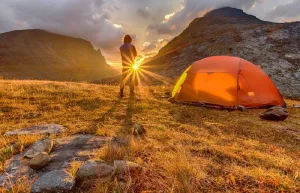
You’ll spend the night camping in Wayllabamba Valley, surrounded by towering mountains and star-filled skies, enjoying freshly prepared meals by your trekking crew.
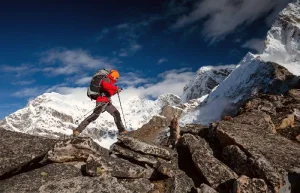
This is the most physically demanding and rewarding day of the Classic Inca Trail. The ascent begins early, climbing steadily through dense cloud forest toward the highest point of the trek: Dead Woman’s Pass (Warmiwañusqa) at 4,215 meters (13,828 feet).
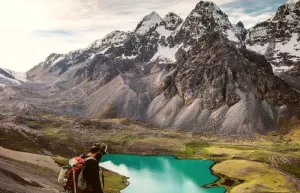
As you climb, the vegetation changes dramatically, offering panoramic views of glacial valleys and high-altitude landscapes. Reaching the summit is an emotional moment for many trekkers — a true accomplishment that rewards you with breathtaking vistas and a deep sense of connection to the Andes.
After the summit, you descend into the beautiful Pacaymayo Valley, where you’ll camp beside mountain streams and enjoy well-earned rest beneath the stars.
Often described as the most scenic and culturally rich day of the entire trek, Day 3 is filled with Inca ruins, stone stairways, tunnels, and cloud forest landscapes.
Highlights include:
✔ Runkurakay – A circular Inca ruin believed to be a watchtower or rest stop
✔ Sayacmarca – A dramatic cliffside settlement with panoramic views
✔ Phuyupatamarca – Known as the “Town Above the Clouds,” offering breathtaking vistas
✔ Wiñay Wayna – One of the most impressive archaeological sites on the trail, with agricultural terraces cascading down steep mountain slopes
This day offers the greatest concentration of ruins and arguably the most beautiful scenery, combining ancient engineering with lush natural beauty.
You’ll camp near Wiñay Wayna, just a few hours from Machu Picchu.
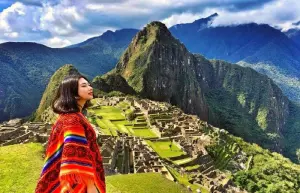
Before dawn, you’ll wake up early and hike to the legendary Sun Gate (Inti Punku). As the sun rises over the mountains, Machu Picchu gradually reveals itself below — a magical and emotional moment that many travelers describe as the highlight of their entire trip to Peru.
From the Sun Gate, you descend into the citadel and enjoy a guided tour of Machu Picchu, learning about its history, architecture, spiritual significance, and mysterious abandonment. Afterward, you’ll have free time to explore, take photos, and optionally hike Huayna Picchu or Machu Picchu Mountain (permits required).
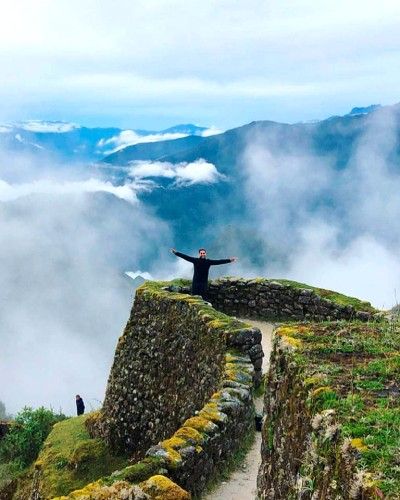
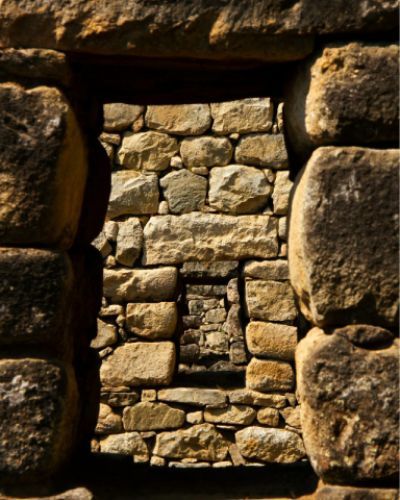
The Short Inca Trail begins at Km 104, accessible by train from Ollantaytambo. After passing the checkpoint, hikers immediately encounter the beautiful archaeological site of Chachabamba, believed to have served as a ceremonial entrance to Machu Picchu.
From here, the trail climbs gradually through lush cloud forest, filled with orchids, birds, butterflies, and native flora. After several hours of hiking, you reach the magnificent ruins of Wiñay Wayna, arguably the highlight of the entire Inca Trail network.
Following lunch, you continue toward the Sun Gate, arriving in the afternoon for your first spectacular view of Machu Picchu. You’ll then descend into the citadel for an introductory visit before spending the night in a hotel in Aguas Calientes.
On Day 2, you’ll enjoy a full guided tour of Machu Picchu, exploring its temples, plazas, fountains, and residential sectors while learning about Inca astronomy, engineering, religion, and daily life.
Optional hikes include:
✔ Huayna Picchu – A steep climb with stunning views
✔ Machu Picchu Mountain – A longer, less crowded ascent
✔ Sun Gate hike (inside the citadel)
✔ Inca Bridge
Afterward, return to Cusco by train, completing your adventure.
✔ Requires good physical condition
✔ Includes steep ascents and descents
✔ Highest altitude: 4,215 m / 13,828 ft
✔ Best for experienced hikers or active travelers
✔ Acclimatization in Cusco (2–3 days) strongly recommended
✔ Moderate fitness required
✔ No extreme altitude passes
✔ Shorter hiking days
✔ Suitable for families with teenagers
✔ Ideal for travelers short on time
To preserve the fragile ecosystem and archaeological heritage of the Inca Trail, strict regulations limit daily visitor numbers and require all hikers to travel with licensed operators.
At Peru Trek, we follow responsible tourism practices by:
✔ Supporting local porter communities
✔ Providing fair wages and ethical working conditions
✔ Minimizing waste
✔ Using eco-friendly equipment
✔ Educating travelers about conservation
This ensures the Inca Trail remains protected for future generations.
The Classic Inca Trail is moderately challenging, especially on Day 2, while the Short Inca Trail is moderate and suitable for most travelers with basic fitness.
Yes. Both versions require official government permits that must be booked through licensed operators.
No. Independent hiking is not allowed due to conservation regulations.
We recommend booking 3–6 months in advance for the Classic Inca Trail and at least 1–2 months for the Short Inca Trail.
Most travelers acclimatize well if they spend 2–3 days in Cusco beforehand and stay hydrated.
Whether you choose the Classic Inca Trail or the Short Inca Trail, both routes offer extraordinary landscapes, rich history, sacred ruins, and a once-in-a-lifetime entrance to Machu Picchu.
The Classic route delivers full adventure and immersion, while the Short route provides convenience, comfort, and efficiency — without sacrificing authenticity.
No matter which option you choose, walking the ancient paths of the Incas to Machu Picchu is an experience that will stay with you forever.
✔ Three nights of camping
✔ Full immersion in nature
✔ Star-filled skies
✔ Authentic trekking experience
✔ Porters carry camping gear
✔ Hotel accommodation
✔ Hot showers and private rooms
✔ Greater comfort
✔ Ideal for travelers preferring convenience
If you don’t know which month to choose for your hike, contact us and we will guide you and plan your trip together in a flexible and comfortable way.