Inca Trail

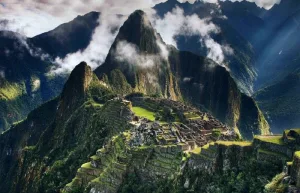
High in the Peruvian Andes, surrounded by dramatic mountain peaks and mist-covered valleys, Machu Picchu stands as one of the most fascinating archaeological sites in the world. Known as the Lost City of the Incas, this ancient citadel attracts travelers, historians, and adventurers from every corner of the planet. Its breathtaking location, mysterious origins, and extraordinary architecture make it one of the most unforgettable destinations on Earth.
Machu Picchu is far more than a popular tourist attraction. It represents the brilliance of the Inca civilization and their remarkable ability to create a sophisticated city in one of the most challenging landscapes imaginable. Built centuries ago without modern tools, machinery, or technology, the site continues to inspire awe and admiration.
For many travelers, visiting Machu Picchu is a dream that takes years to fulfill. Standing among its stone terraces and temples offers a powerful connection to history and a deeper appreciation for one of the greatest civilizations in South America.
Understanding the history, architecture, and cultural importance of Machu Picchu transforms a simple visit into a meaningful and unforgettable experience.
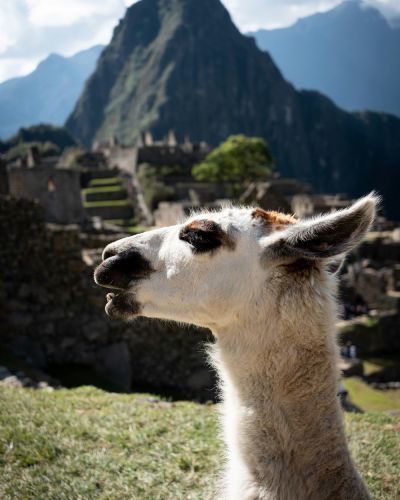
The history of Machu Picchu dates back to the 15th century during the height of the Inca Empire. Most historians believe that the citadel was built under the rule of Emperor Pachacutec, one of the most influential leaders in Inca history. Pachacutec transformed the Inca kingdom into a powerful empire that extended across much of western South America.
Machu Picchu was constructed around 1450 and likely served as a royal estate or ceremonial center. Its location was carefully chosen between the Andes Mountains and the Amazon basin, providing strategic advantages as well as spiritual significance.
Unlike many other Inca cities, Machu Picchu was never discovered by Spanish conquistadors during the colonial period. Because of this, it remained largely intact and preserved for centuries. Local farmers and residents in the region were aware of the ruins, but the site remained unknown to the outside world until the early 20th century.
In 1911, American explorer Hiram Bingham brought international attention to Machu Picchu during an expedition supported by Yale University. Although Bingham did not technically “discover” the site, his research and publications introduced Machu Picchu to the global community.
Since then, Machu Picchu has become one of the most studied and admired archaeological sites in the world.
Despite decades of research, the exact purpose of Machu Picchu continues to be debated among historians and archaeologists. However, most scholars agree that the city served multiple functions rather than a single purpose.
One widely accepted theory suggests that Machu Picchu was a royal retreat for Emperor Pachacutec and the Inca elite. The location offered privacy, natural beauty, and a cooler climate compared to the imperial capital of Cusco.
Another theory proposes that Machu Picchu functioned as an important religious and ceremonial center. The presence of temples, ritual platforms, and astronomical observation points indicates that spiritual practices played a significant role in the city’s design.
Agricultural terraces surrounding the site also suggest that Machu Picchu supported a self-sufficient community capable of producing its own food supply.
Rather than being simply a fortress or city, Machu Picchu was likely a complex space where political authority, spiritual belief, and agricultural innovation intersected.
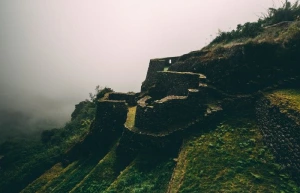
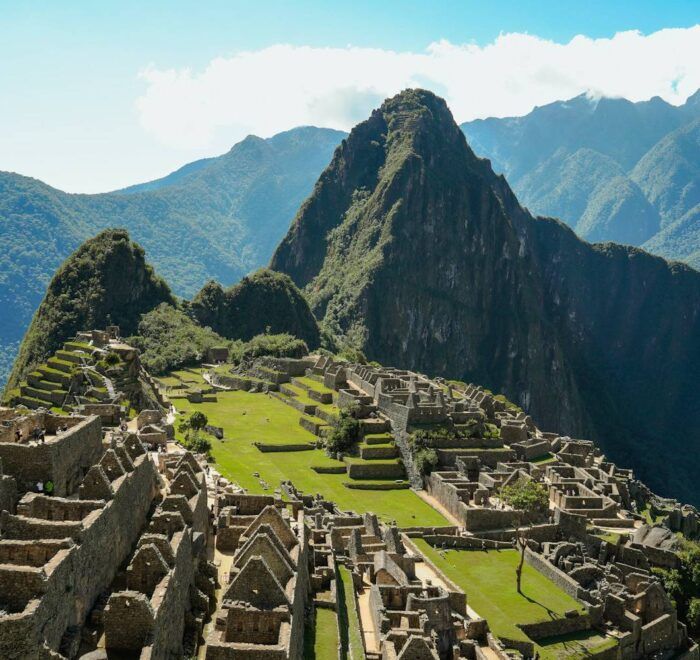
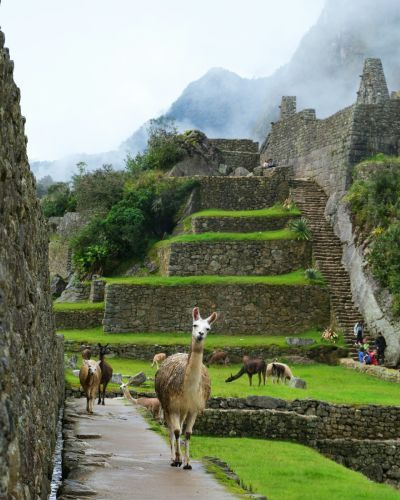
One of the most remarkable aspects of Machu Picchu is the extraordinary architectural skill of the Inca civilization. The structures were built using massive stones carved and fitted together without the use of mortar.
This construction technique, known as ashlar masonry, allowed buildings to withstand earthquakes and shifting mountain terrain. The stones were cut with incredible precision, creating joints so tight that even a thin blade cannot pass between them.
The city itself was divided into two main sectors: the agricultural zone and the urban zone. The agricultural terraces not only provided farmland but also helped stabilize the steep mountain slopes and prevent landslides.
The urban sector contains temples, residential areas, plazas, and ceremonial structures arranged according to careful planning. Water channels and drainage systems demonstrate advanced engineering that allowed the city to manage heavy rainfall common in the region.
Even after centuries of exposure to natural forces, the architecture of Machu Picchu remains remarkably intact.
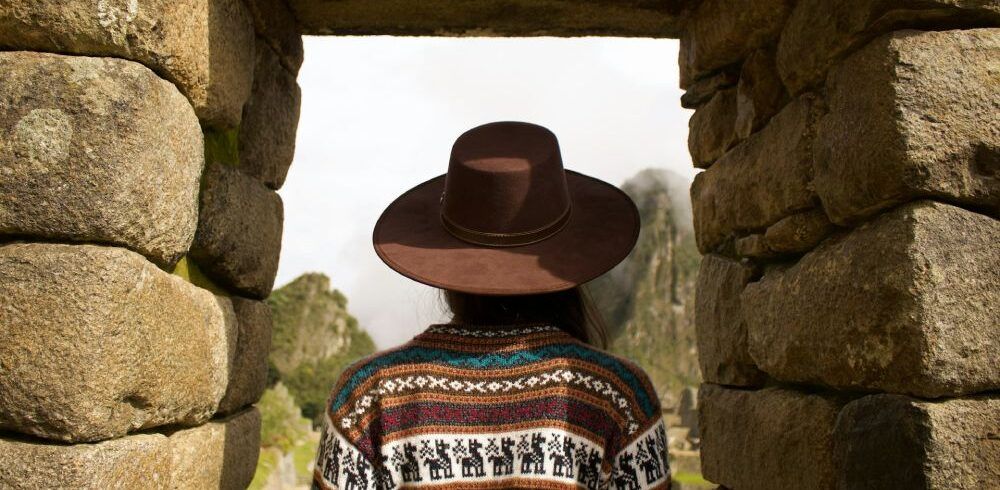
Spirituality was a central aspect of life in the Inca Empire, and Machu Picchu reflects this deeply rooted belief system. The site contains several important temples and ceremonial areas where rituals were likely performed.
One of the most famous structures is the Temple of the Sun. This semi-circular building was carefully aligned with astronomical events such as the winter solstice. During certain times of the year, sunlight enters the temple through specially positioned windows.
Another important feature is the Intihuatana stone, often referred to as the “Hitching Post of the Sun.” Scholars believe this carved stone functioned as an astronomical instrument used to track the movement of the sun and seasonal cycles.
The Sacred Plaza and surrounding temples also highlight the importance of ceremonial gatherings and religious practices within the city.
These structures reveal how the Incas combined science, astronomy, and spirituality in their architectural designs.
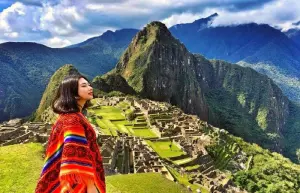
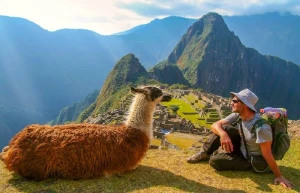
Part of what makes Machu Picchu so extraordinary is its breathtaking natural environment. The citadel sits on a mountain ridge nearly 2,430 meters above sea level, surrounded by steep cliffs and lush green valleys.
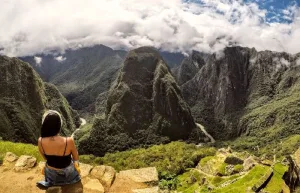
The Urubamba River flows far below the site, carving a deep canyon through the Andes. Towering peaks such as Huayna Picchu and Machu Picchu Mountain rise dramatically above the ruins, creating a landscape that feels both powerful and mystical.
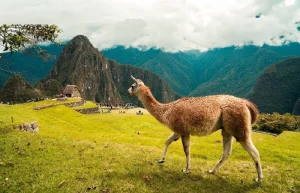
Cloud forests, orchids, and diverse wildlife add to the beauty of the region. The surrounding sanctuary is home to hundreds of bird species, butterflies, and unique plant life found nowhere else in the world.
This harmonious relationship between architecture and nature is one of the defining characteristics of Machu Picchu.
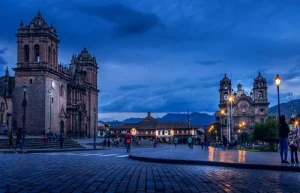
Today, Machu Picchu is one of the most visited destinations in South America. Travelers typically begin their journey in Cusco, the historic capital of the Inca Empire.
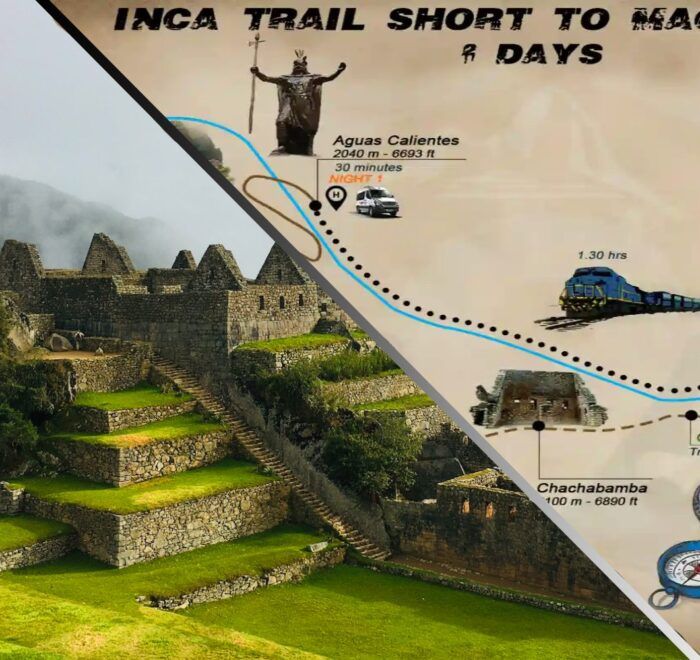
From Cusco, visitors can travel by train to the town of Aguas Calientes, located at the base of the mountain where Machu Picchu sits. From there, buses transport visitors to the entrance of the archaeological site.
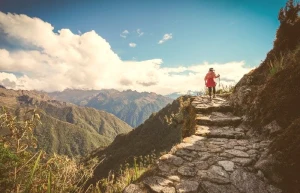
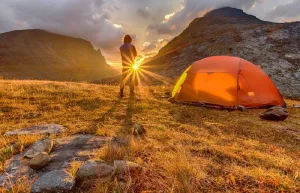
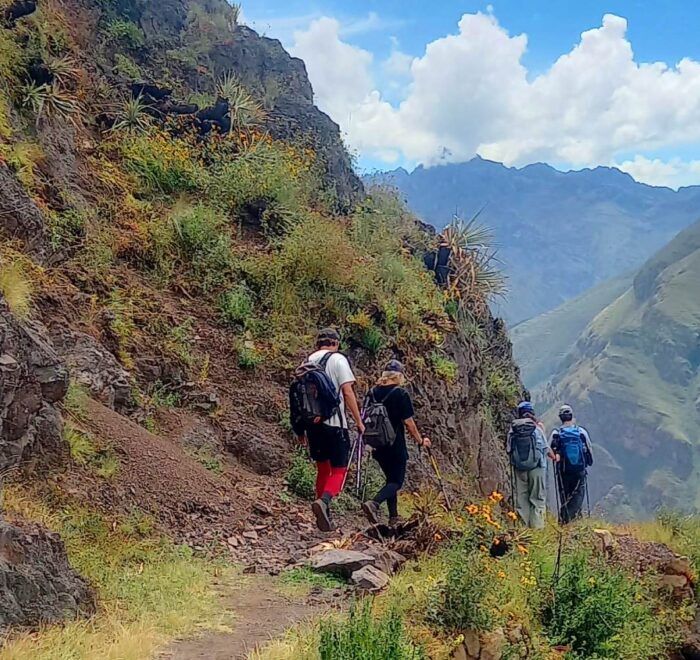
Another popular option is hiking. The Inca Trail is the most famous trekking route leading to Machu Picchu. This multi-day hike follows ancient paths through mountains, forests, and Inca ruins before reaching the Sun Gate overlooking the citadel.
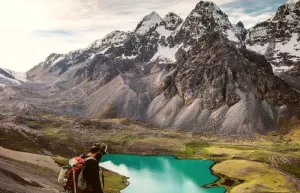
Alternative treks such as the Salkantay Trek also offer spectacular journeys through diverse landscapes before arriving at Machu Picchu.
Each route provides a unique perspective and adds a sense of adventure to the visit.
Machu Picchu can be visited throughout the year, but weather conditions vary depending on the season.
The dry season, from May to September, is generally considered the best time to visit. During these months, skies are clearer and rainfall is minimal, making it ideal for hiking and photography.
However, this period also attracts the largest number of visitors. Travelers who prefer fewer crowds may consider visiting during the shoulder seasons of April or October.
The rainy season, which runs from November to March, brings lush green landscapes and dramatic misty scenery, though heavy rainfall can occasionally affect visibility and travel plans.
Choosing the best time to visit depends on personal preferences and travel priorities.
Machu Picchu is recognized as one of the most important cultural landmarks in the world. In 1983, it was designated a UNESCO World Heritage Site due to its historical and cultural significance.
Later, Machu Picchu was voted one of the New Seven Wonders of the World, further solidifying its global reputation.
These recognitions highlight the responsibility of preserving the site for future generations. Conservation efforts focus on managing visitor numbers, protecting fragile structures, and maintaining the natural environment surrounding the ruins.
Responsible tourism plays a vital role in ensuring that Machu Picchu remains intact for centuries to come.
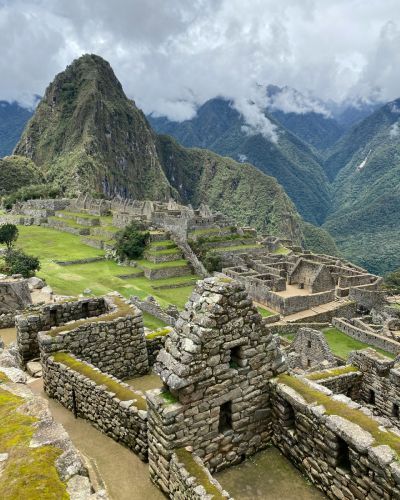
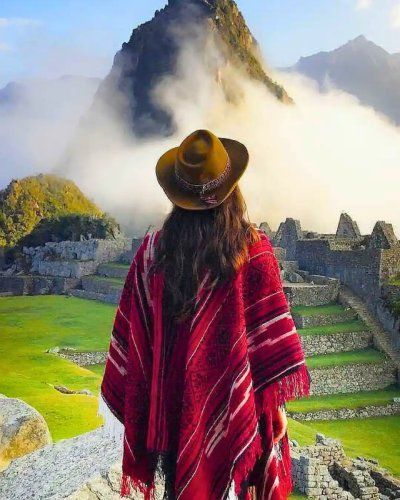
Few places on Earth evoke the same sense of wonder as Machu Picchu. The combination of ancient history, breathtaking scenery, and cultural significance creates a truly unique destination.
For many travelers, the moment they first see the citadel emerging through the morning mist is unforgettable. Walking through its stone corridors and terraces provides a powerful connection to the past.
Machu Picchu reminds us of the ingenuity and creativity of the Inca civilization. It demonstrates how a society without modern technology could build a city perfectly adapted to its environment.
This remarkable achievement continues to inspire people around the world.
Machu Picchu remains one of humanity’s greatest archaeological treasures. Its history, architecture, and cultural meaning make it a symbol of Peru’s heritage and the legacy of the Inca Empire.
More than five centuries after it was built, the Lost City of the Incas continues to captivate visitors from every continent. Each stone terrace and temple tells a story of innovation, spirituality, and resilience.
Visiting Machu Picchu is not simply about seeing an ancient ruin. It is about experiencing a place where history, nature, and culture come together in perfect harmony.
For anyone who dreams of exploring the wonders of the world, Machu Picchu will always remain one of the most extraordinary destinations ever created.
If you don’t know which month to choose for your hike, contact us and we will guide you and plan your trip together in a flexible and comfortable way.