Inca Trail

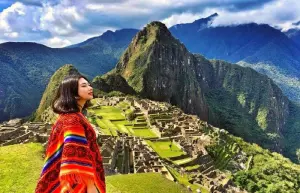
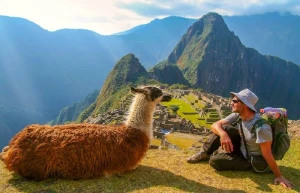
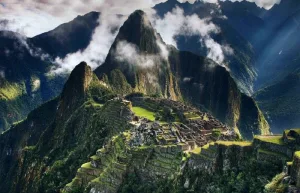
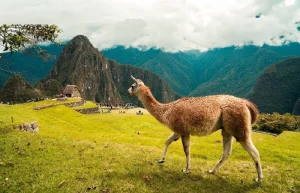
High in the Andes Mountains of Peru, surrounded by mist-covered peaks and deep green valleys, Machu Picchu rises as one of the most extraordinary archaeological sites ever built. Known as the Lost City of the Incas, Machu Picchu is not only a masterpiece of engineering but also a symbol of cultural identity, mystery, and human achievement.
Every year, thousands of travelers journey to this ancient citadel seeking history, adventure, and inspiration. But Machu Picchu is more than a tourist destination. It is a sacred place that continues to captivate historians, archaeologists, and explorers from around the world.
Understanding its history, purpose, and cultural importance transforms a simple visit into a profound experience.
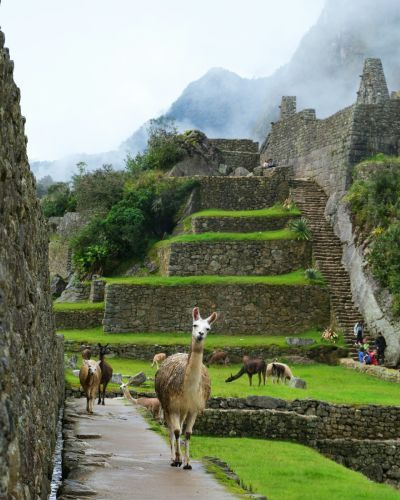
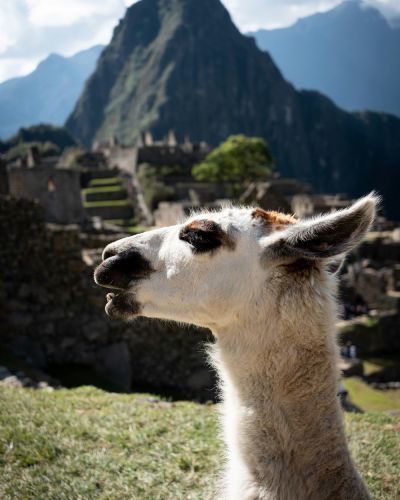
Machu Picchu was built in the 15th century during the height of the Inca Empire. Most historians believe it was constructed under the reign of Emperor Pachacutec, one of the most important rulers in Inca history.
The site was strategically positioned between the Andes Mountains and the Amazon basin. Its location provided natural protection, agricultural sustainability, and spiritual significance.
Unlike many other Inca cities, Machu Picchu was never discovered by Spanish conquistadors. As a result, it remained hidden from the outside world for centuries. In 1911, American explorer Hiram Bingham brought international attention to the site, although local farmers already knew of its existence.
Because it was never destroyed during colonial times, Machu Picchu remains one of the best-preserved examples of Inca architecture.
The exact purpose of Machu Picchu continues to be debated. Some scholars believe it was a royal estate for Emperor Pachacutec. Others argue that it served as a religious and ceremonial center.
The city was carefully planned with agricultural terraces, residential areas, ceremonial temples, and astronomical observation points. The Temple of the Sun, the Intihuatana stone, and the Sacred Plaza suggest that spirituality played a major role in its design.
Machu Picchu was aligned with astronomical events such as the solstices. This demonstrates the advanced knowledge the Incas had of astronomy and seasonal cycles.
Rather than being a single-purpose city, Machu Picchu likely functioned as a combination of royal retreat, religious sanctuary, and agricultural hub.
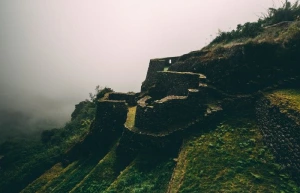
One of the most remarkable aspects of Machu Picchu is its construction. The Incas built the city using massive stones carved and fitted together without mortar. This technique, known as ashlar masonry, allowed structures to withstand earthquakes.
The agricultural terraces were engineered to prevent erosion and ensure proper drainage. Beneath the visible city lies an advanced drainage system that protects the site from heavy rainfall.
The precision of the stonework is so impressive that even a thin blade cannot pass between some blocks. This level of craftsmanship reflects the ingenuity and skill of Inca engineers.
Machu Picchu stands as a testament to what ancient civilizations achieved without modern tools or technology.
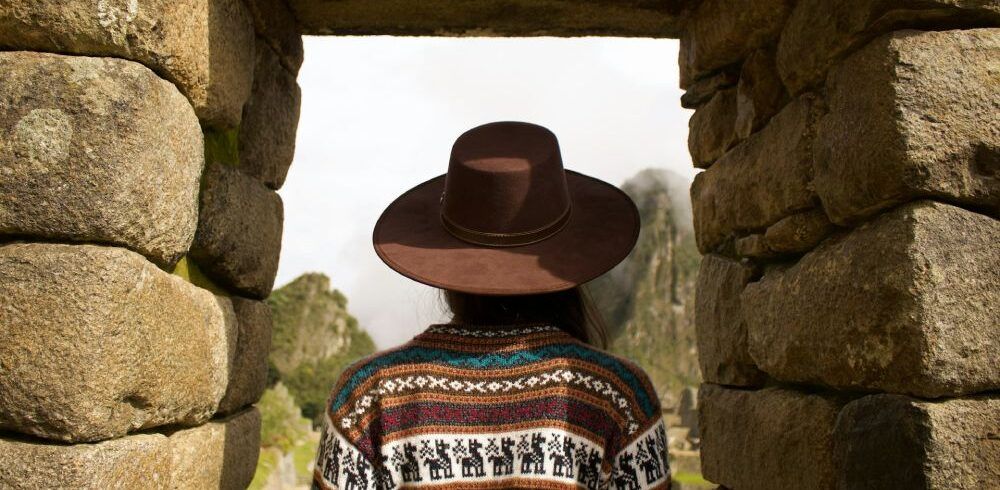
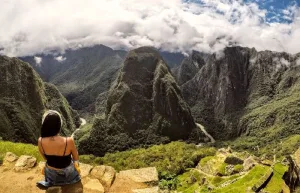
Many visitors describe Machu Picchu as a place of powerful spiritual energy. The location between mountains, rivers, and clouds creates a mystical atmosphere.
In Inca belief, mountains were considered sacred beings known as Apus. Machu Picchu is surrounded by prominent peaks such as Huayna Picchu and Machu Picchu Mountain, which were likely revered as spiritual guardians.
Ceremonial spaces such as the Temple of the Sun and the Intihuatana stone indicate that rituals and astronomical observations were central to life in the citadel.
Whether you approach Machu Picchu from a historical, spiritual, or cultural perspective, the emotional impact of standing within its ancient walls is undeniable.
Travelers can reach Machu Picchu in several ways. The most popular route is by train from Cusco or Ollantaytambo to Aguas Calientes, followed by a bus ride to the entrance gate.
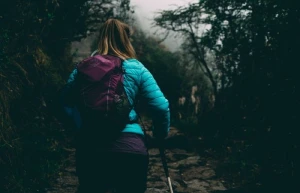
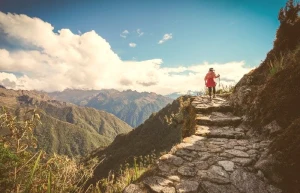
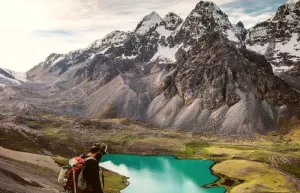
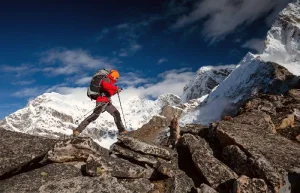
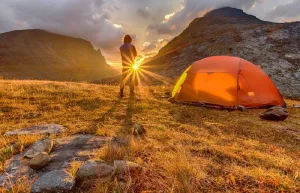
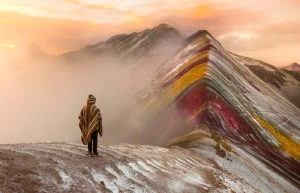
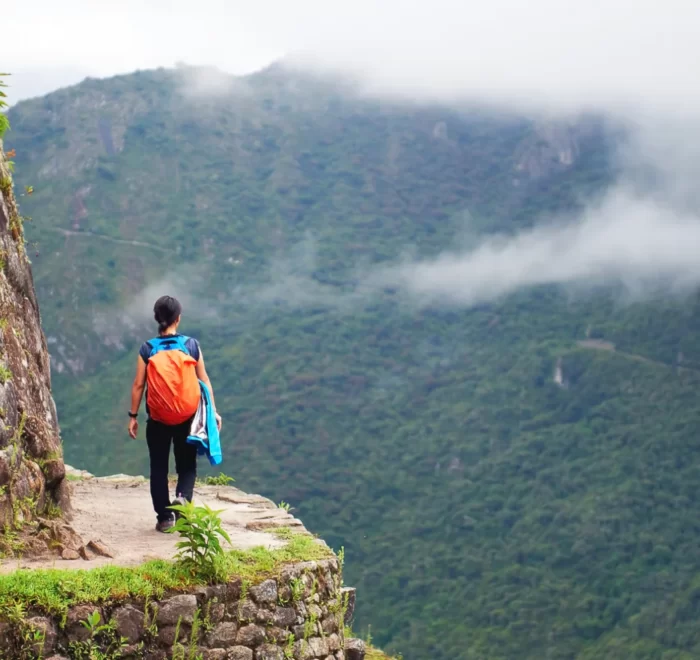
For adventure seekers, trekking routes offer unforgettable journeys. The Inca Trail is the most famous multi-day hike leading directly to the Sun Gate overlooking Machu Picchu. The Salkantay Trek is another spectacular alternative, combining mountain landscapes with jungle scenery.
Each route provides a unique approach to the Lost City of the Incas.
Machu Picchu can be visited year-round, but weather conditions vary by season.
The dry season, from May to September, offers clearer skies and ideal trekking conditions. However, this period is also the busiest.
The rainy season, from November to March, brings lush green landscapes and fewer crowds but increased chances of rain.
Choosing the best time depends on your priorities. Photographers often prefer the dry season, while travelers seeking fewer tourists may choose shoulder months.
In 1983, Machu Picchu was declared a UNESCO World Heritage Site. Later, it was recognized as one of the New Seven Wonders of the World.
These recognitions highlight its global cultural importance. Preservation efforts ensure that future generations can experience its beauty and historical significance.
Responsible tourism plays a key role in protecting Machu Picchu. Visitors are encouraged to respect regulations, stay on designated paths, and avoid damaging structures.
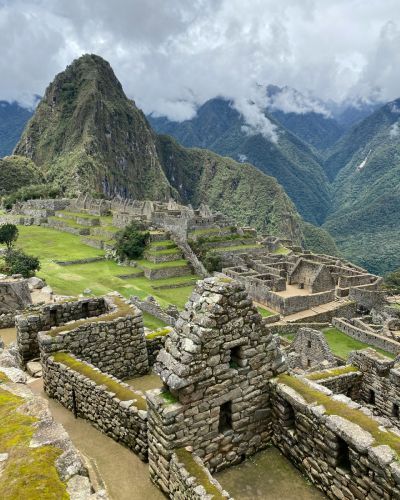
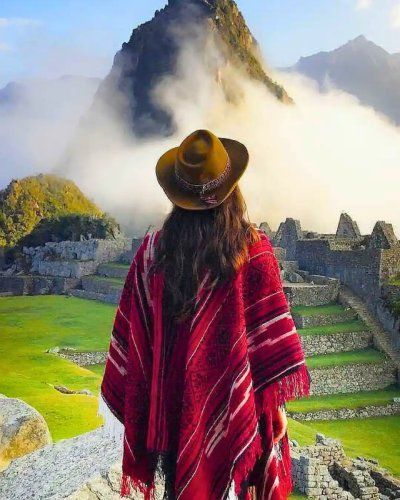
Machu Picchu is not only a relic of the past. It represents resilience, intelligence, and harmony with nature.
The Incas built a city that blends perfectly into its mountainous environment. Rather than dominating the landscape, the architecture complements it.
For many travelers, visiting Machu Picchu is a dream fulfilled. The combination of history, adventure, culture, and natural beauty creates an experience that is difficult to replicate anywhere else in the world.
It is a place that challenges us to reflect on human achievement and our connection with the natural world.
Standing at Machu Picchu is more than checking off a bucket-list destination. It is stepping into a story that began over five centuries ago.
From its mysterious origins to its breathtaking location, Machu Picchu continues to fascinate the world. Every stone tells a story of innovation and belief. Every terrace reflects harmony with the mountains.
Whether you visit by train, hike the Inca Trail, or explore alternative treks, your journey to Machu Picchu will be unforgettable.
The Lost City of the Incas is not just a monument of the past. It is a living symbol of Peru’s cultural legacy and one of humanity’s greatest achievements.
If you don’t know which month to choose for your hike, contact us and we will guide you and plan your trip together in a flexible and comfortable way.