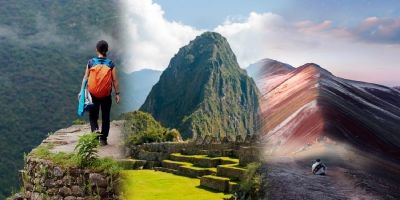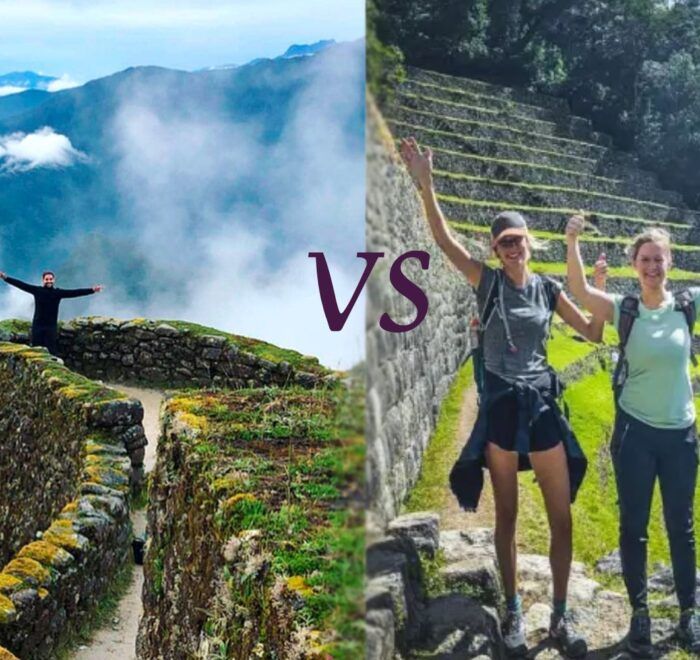

When travelers begin planning a trekking adventure in Peru, two routes consistently rise to the top of the list: the Salkantay Trek and the Ausangate Trek. Both offer dramatic mountain landscapes, snowcapped peaks, turquoise lagoons, remote Andean communities, and unforgettable cultural encounters. Yet despite these similarities, each trek delivers a very different experience, appealing to different types of travelers, fitness levels, and travel goals.
The Salkantay vs Ausangate Trek debate is one of the most common questions among hikers visiting Cusco. Some travelers seek comfort, variety, and a clear route to Machu Picchu, while others dream of wild landscapes, solitude, and high-altitude adventure far from the crowds. Understanding the differences between these two iconic treks will help you choose the experience that best matches your expectations.
In this guide, we compare the Salkantay vs Ausangate Trek across terrain, difficulty, scenery, altitude, culture, crowd levels, and overall experience. Whether you are planning your first multi-day trek in Peru or searching for your next great challenge, this comparison will give you everything you need to make the right decision.
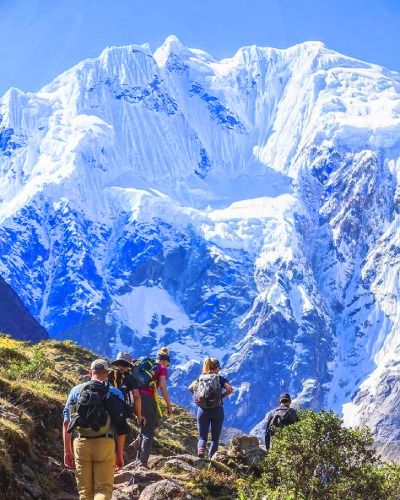

The Salkantay Trek is one of the most popular alternative routes to Machu Picchu and is widely considered the best non-Inca Trail option. Located west of Cusco, the route circles the towering Salkantay Mountain, one of the highest peaks in the Vilcabamba Range. The trek typically lasts five days and ends in Aguas Calientes, allowing hikers to visit Machu Picchu at the end of the journey.
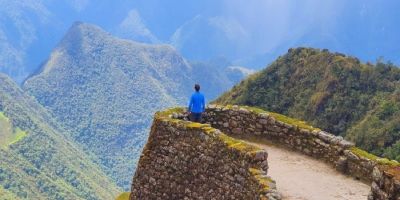
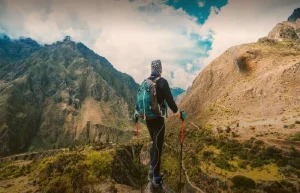
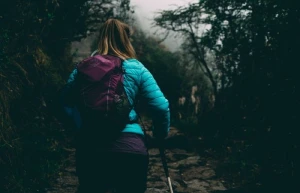
What makes the Salkantay Trek especially appealing is its diversity. Over the course of several days, hikers pass glaciers, alpine valleys, cloud forests, turquoise lakes, and subtropical landscapes. This variety creates a constantly changing scenery that keeps each day exciting and visually stunning.
The route also offers more comfort compared to other high-altitude treks. Many operators now include lodges, mountain huts, or glass-domed sky camps, providing warm showers, comfortable beds, and hearty meals. This makes the Salkantay Trek ideal for travelers who want adventure without sacrificing too much comfort.
Because it leads directly to Machu Picchu, the Salkantay Trek attracts a wide range of hikers, from beginners seeking a first multi-day trek to experienced trekkers wanting a scenic route with excellent infrastructure. While physically demanding, it is generally considered accessible for travelers with moderate fitness and basic trekking experience.
The Ausangate Trek is Peru’s most remote and challenging classic trek, located south of Cusco in the Vilcanota Mountain Range. Unlike the Salkantay Trek, Ausangate does not lead to Machu Picchu. Instead, it offers something equally powerful: an immersion into some of the wildest landscapes in the Andes and deep cultural encounters with high-altitude Quechua communities.
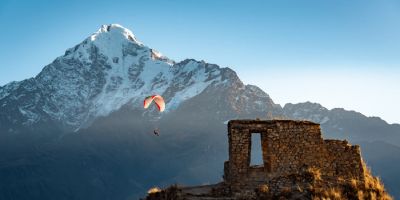
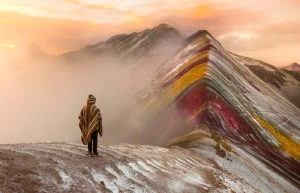
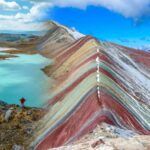
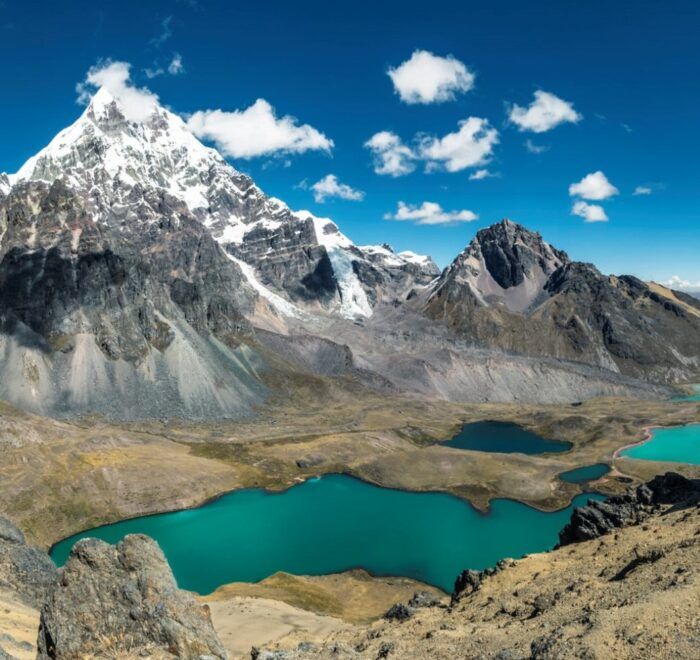
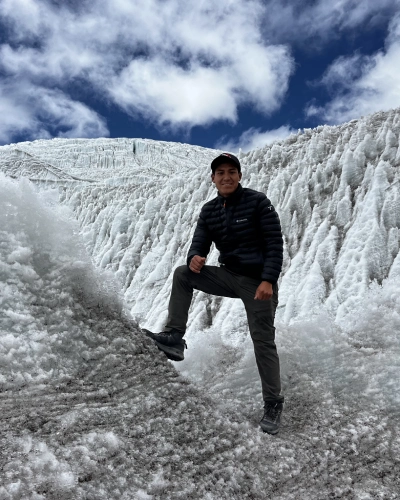
Ausangate is known for its raw beauty. Snow-covered peaks, rainbow-colored mountains, vast glaciers, and pristine lagoons dominate the scenery. The route passes over multiple high mountain passes, many exceeding 5,000 meters above sea level, making it one of the highest trekking routes in South America.
This trek is not about comfort or convenience. Campsites are remote, temperatures drop well below freezing at night, and conditions can be unpredictable. Yet for seasoned hikers seeking solitude, authenticity, and a true wilderness experience, Ausangate delivers something few treks in the world can match.
The Ausangate Trek attracts travelers who prioritize challenge, adventure, and cultural depth over accessibility. It is ideal for experienced hikers, photographers, mountaineers, and travelers who want to explore Peru beyond its most famous tourist circuits.

When comparing the Salkantay vs Ausangate Trek, difficulty is often the most decisive factor.
The Salkantay Trek is considered moderately difficult. While it involves long hiking days and steep ascents, the altitude is generally manageable for travelers who acclimatize properly in Cusco beforehand. The highest point of the trek, Salkantay Pass, sits at approximately 4,650 meters above sea level. Most hikers can complete the route with reasonable preparation, even without prior high-altitude trekking experience.
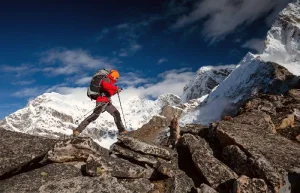
In contrast, the Ausangate Trek is significantly more demanding. It involves multiple passes above 5,000 meters, extended days of hiking, and more rugged terrain. Acclimatization is absolutely essential, and prior trekking experience at altitude is strongly recommended. The physical endurance required is higher, and the mental challenge of isolation, cold temperatures, and remote conditions adds to the intensity of the experience.
If you are new to multi-day trekking or prefer a route that balances challenge with accessibility, the Salkantay Trek is the better option. If you thrive on physical endurance, remote adventure, and pushing your limits, the Ausangate Trek offers one of the most demanding and rewarding hiking experiences in Peru.
Both treks are visually extraordinary, but they offer very different types of beauty.
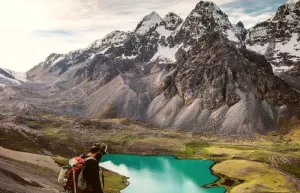
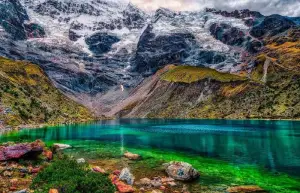
The Salkantay Trek stands out for its diversity. Over the course of several days, hikers move from glacial valleys and snowcapped peaks to lush cloud forests and tropical lowlands. Highlights include Humantay Lake, Salkantay Glacier, and the descent into warmer ecosystems filled with orchids and coffee plantations. This constant change in environment creates a dynamic and cinematic experience.
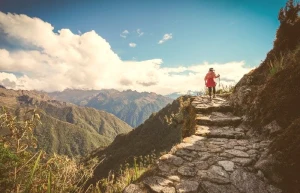
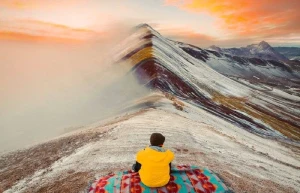
The Ausangate Trek, by contrast, is dominated by dramatic high-altitude landscapes. Massive glaciers, pastel-colored mountains, vast open valleys, and surreal turquoise lagoons define the route. The scenery feels untouched, powerful, and almost otherworldly. The famous Rainbow Mountain region and the Red Valley add intense color to the stark alpine terrain, creating some of the most photogenic environments in the Andes.
If you prefer varied ecosystems, dramatic transitions, and a mix of glacial and jungle scenery, the Salkantay Trek delivers more diversity. If you are drawn to epic high-mountain landscapes, massive peaks, and remote alpine environments, the Ausangate Trek offers unmatched visual intensity.
Altitude plays a major role in determining which trek is best for you.
The Salkantay Trek reaches high elevations, but most of the route remains below 4,700 meters. With two or three days of acclimatization in Cusco and the Sacred Valley, many travelers can manage the altitude comfortably. The route is designed to allow gradual ascent and descent, reducing the risk of altitude sickness when properly prepared.
The Ausangate Trek operates almost entirely at high altitude. Many campsites sit above 4,500 meters, and several passes exceed 5,000 meters. Oxygen levels are significantly lower, and symptoms of altitude sickness are more common. This trek requires excellent acclimatization, strong physical conditioning, and the ability to handle extended exposure to thin air.
If altitude sensitivity is a concern or if this is your first high-mountain trek, the Salkantay Trek is the safer and more accessible choice. If you have already acclimatized well and are seeking an intense high-altitude experience, the Ausangate Trek delivers one of the highest trekking routes in Peru.
Culture is present on both routes, but in very different ways.
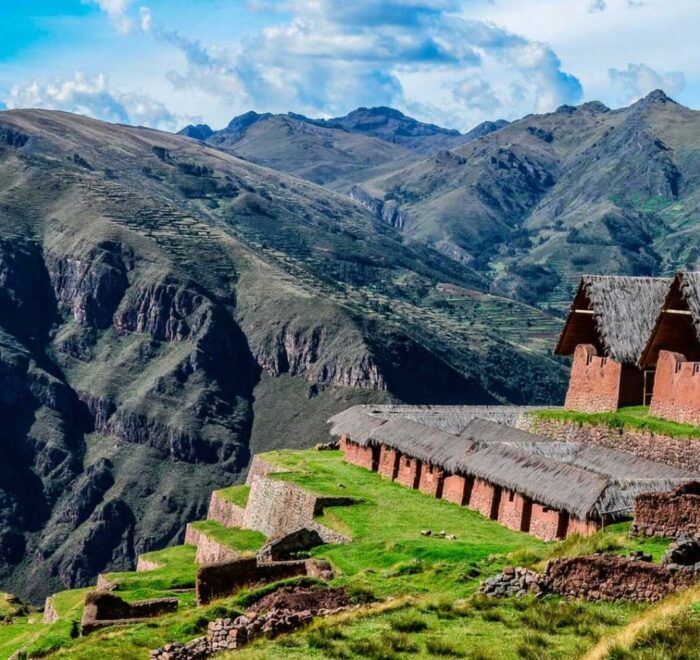
Along the Salkantay Trek, hikers pass through rural farming communities, coffee plantations, and small villages in the lower elevations. While these encounters offer glimpses into Andean rural life, the route is more focused on scenery and the journey to Machu Picchu than on deep cultural immersion.
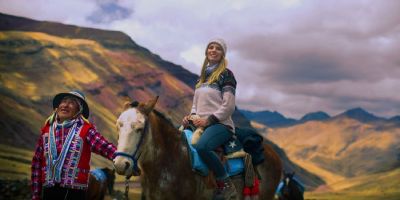
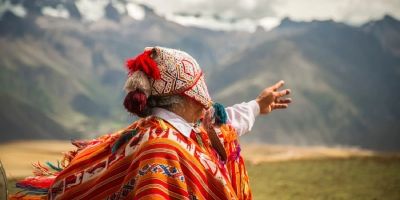
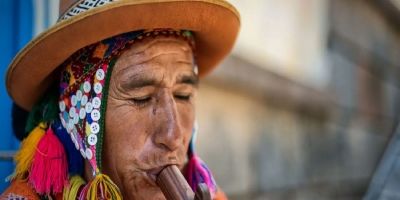
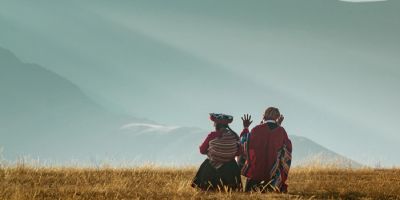
The Ausangate Trek, however, offers one of the richest cultural experiences of any trek in Peru. The route passes through remote Quechua communities that maintain traditional lifestyles largely unchanged for generations. You may encounter alpaca herders in traditional clothing, children walking long distances to school, and families living in stone huts at extreme altitudes. These interactions feel raw, authentic, and deeply meaningful.
If cultural immersion is one of your main goals, the Ausangate Trek offers a stronger connection to traditional Andean life. If culture is important but you prefer to combine it with iconic landscapes and historical sites, the Salkantay Trek provides a balanced experience.
Comfort levels differ dramatically between the Salkantay vs Ausangate Trek.
The Salkantay Trek benefits from well-developed tourism infrastructure. Many operators offer lodge-based accommodations, hot showers, dining tents, and upgraded camping options. Some routes even include glass sky domes or eco-lodges with panoramic mountain views. Meals are typically gourmet-quality, and porters or pack animals carry most of the equipment.
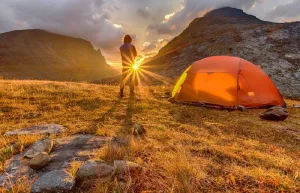
The Ausangate Trek remains largely untouched by tourism infrastructure. Campsites are remote, basic, and exposed to cold temperatures. Nights can drop well below freezing, and conditions can change quickly. While professional guides and pack animals make the journey manageable, comfort is minimal compared to Salkantay.
If you value comfort, warm showers, good food, and smoother logistics, the Salkantay Trek is clearly the better option. If you embrace simplicity, rugged conditions, and raw adventure, the Ausangate Trek delivers a truly wild experience.
Crowd levels are another major distinction.
The Salkantay Trek is one of the most popular treks in Peru after the Inca Trail. While it is far less regulated, it can still feel busy during peak season, particularly near major highlights such as Humantay Lake and Salkantay Pass. That said, the route is wide enough that most travelers still enjoy moments of solitude, especially in the early mornings and evenings.
The Ausangate Trek is among the least crowded major treks in Peru. Many days pass without encountering other trekking groups at all. The sense of isolation is profound, creating an atmosphere of deep immersion in nature and silence rarely found on popular trekking routes.
If you enjoy social trekking, meeting fellow travelers, and following a well-established route, the Salkantay Trek suits you well. If solitude, wilderness, and remoteness are central to your trekking philosophy, the Ausangate Trek offers one of the most secluded adventures in the Andes.
Perhaps the most important difference between the Salkantay vs Ausangate Trek is the final destination.
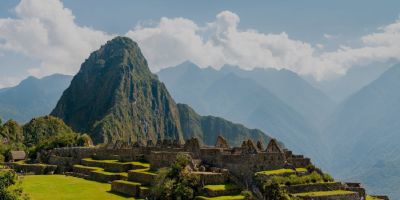
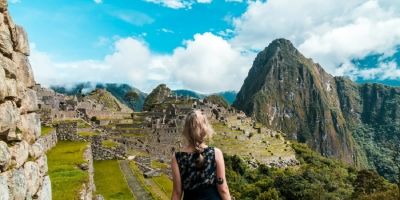
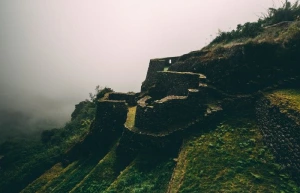
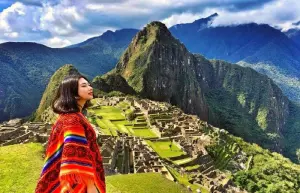
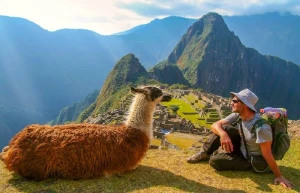
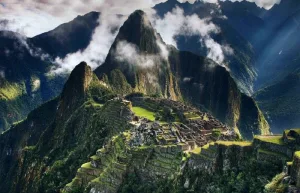
The Salkantay Trek ends at Machu Picchu, one of the New Seven Wonders of the World and Peru’s most iconic archaeological site. For many travelers, combining a world-class trek with a visit to Machu Picchu is the ultimate travel experience. The journey feels purposeful, culminating in a cultural and historical climax that makes the physical challenge feel even more rewarding.
The Ausangate Trek does not lead to Machu Picchu. Instead, its purpose is the journey itself. The reward lies in wilderness immersion, high-altitude adventure, and connection with nature and Andean culture. There is no singular landmark at the end, only the deep satisfaction of having completed one of the most challenging treks in South America.
If your goal is to reach Machu Picchu on foot while enjoying breathtaking landscapes along the way, the Salkantay Trek is the obvious choice. If your goal is raw adventure, solitude, and pushing personal limits in some of Peru’s most dramatic terrain, the Ausangate Trek offers something even more profound.
res in the Andes.
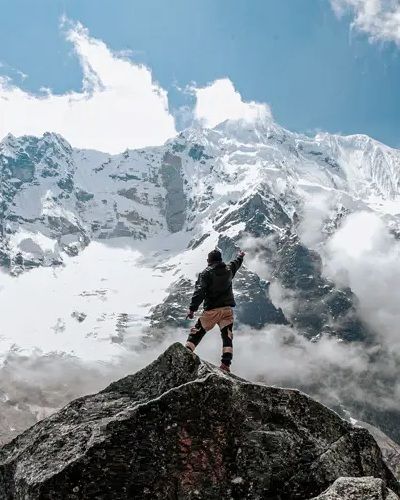
Choosing between the Salkantay vs Ausangate Trek ultimately depends on your travel style, fitness level, and personal goals.
If you enjoy variety, comfort, iconic scenery, and the reward of arriving at Machu Picchu, the Salkantay Trek is the better match. It offers a balanced experience that combines adventure with accessibility, making it ideal for first-time trekkers in Peru or travelers with limited time.
If you seek challenge, solitude, and immersion into wild high-mountain environments, the Ausangate Trek is unmatched. It is designed for experienced hikers who value endurance, authenticity, and cultural depth over convenience.
Both treks represent the very best of trekking in Peru. Neither is objectively better; they simply serve different types of adventurers. Understanding your priorities will lead you to the route that transforms your journey into an unforgettable life experience.
If you are more interested in reaching Machu Picchu while enjoying glaciers, lakes, and diverse ecosystems, the best option is the Salkantay Trek.
If you are more drawn to snowcapped mountains, extreme altitude, remote wilderness, and authentic Andean culture, the best option is the Ausangate Trek.
If you don’t know which month to choose for your hike, contact us and we will guide you and plan your trip together in a flexible and comfortable way.