Inca Trail

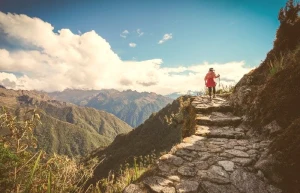
The Inca Trail to Machu Picchu is one of the most iconic hiking routes in the world and Peru’s most famous trek. This ancient stone path winds through breathtaking Andean landscapes, cloud forests, archaeological ruins, and mountain passes before culminating at the legendary Sun Gate overlooking Machu Picchu.
If you’re planning this once-in-a-lifetime adventure, one of the first questions you’ll ask is: When is the best time to hike the Inca Trail?
This complete and up-to-date guide covers the best months to go, weather conditions, seasonal recommendations, booking tips, physical preparation, and essential packing advice — everything you need to choose the perfect time for your Inca Trail experience and make the most of your journey to Machu Picchu.
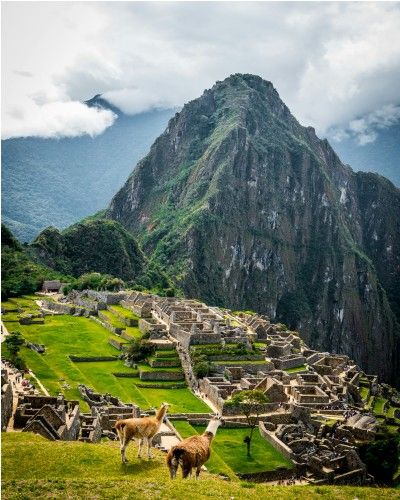
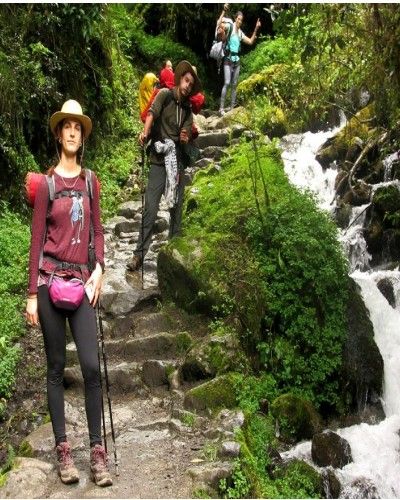
Official start of the dry season and one of the best months to hike the Inca Trail. While light showers may still occur early in the month, weather conditions improve rapidly. The landscapes remain lush from the rainy season, trails are in great shape, and crowds are still manageable, making May a top choice for travelers seeking perfect balance between climate and tranquility.
The driest month of the year, offering crystal-clear skies, firm trails, and excellent trekking conditions. Nights are cold, so warm sleeping gear is essential. This month coincides with major festivals in Cusco, such as Inti Raymi, making it one of the most popular times to visit — reservations should be made far in advance.
Peak season on the Inca Trail. Days are sunny, visibility is outstanding, and trekking conditions are near perfect. Although temperatures drop significantly at night, daytime hiking is comfortable. Due to high demand, permits often sell out months ahead.
Another outstanding month for hiking the Inca Trail. Dry weather, excellent visibility, and stable trail conditions make August ideal for photography and outdoor exploration. It remains busy, but for many travelers, it offers the most reliable weather of the year.
Still part of the dry season, but with fewer crowds. Days remain mostly clear, temperatures are pleasant, and trekking conditions stay favorable. A great option for those seeking excellent weather with a quieter experience.
The transition month toward the rainy season. While occasional showers begin to appear, most days remain dry and suitable for hiking. Visitor numbers decrease, making October a good choice for travelers wanting fewer crowds and solid trekking conditions.
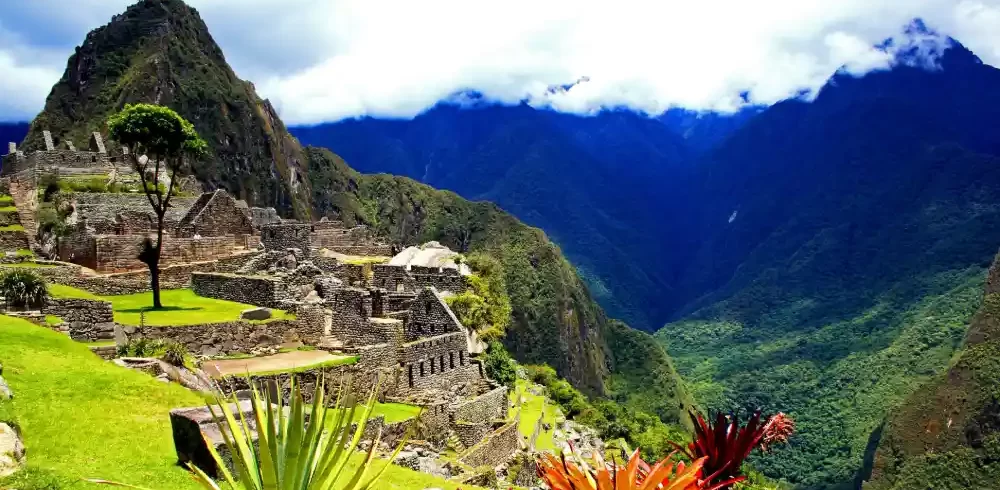
The rainy season on the Inca Trail is characterized by warmer temperatures, lush landscapes, and frequent afternoon showers. Although it rarely rains continuously throughout the day, weather conditions can change rapidly, with sunshine, mist, clouds, and rain all possible within hours. Trails may become muddy, but the scenery is at its greenest and crowds are significantly lower.
This month marks the transition between the dry and rainy seasons. Days remain pleasant with moderate temperatures, while rainfall gradually increases toward the end of the month. Light showers often occur in the afternoons or evenings, and sunsets create dramatic mountain views. It’s an excellent option for hikers seeking fewer crowds and comfortable trekking conditions.
Rainfall becomes more frequent, especially in the afternoons. Mornings are usually clear, allowing for good hiking conditions early in the day. The cloud forest turns vibrant green, making December ideal for travelers who value scenery and tranquility over perfectly dry trails.
One of the wettest months of the year. Trails can be muddy and slippery, but visitor numbers are low. Adventurous travelers willing to embrace variable conditions will enjoy peaceful trails and stunning green landscapes.
The Inca Trail is closed throughout February for annual maintenance and conservation. No trekking permits are issued during this month, so travelers should consider alternative routes such as the Salkantay Trek or Lares Trek.
Rainfall begins to decrease, and conditions slowly improve. Showers are still possible, but they are usually shorter and less intense. The scenery remains lush, and fewer visitors make March a great shoulder-season option.
April marks the true transition into the dry season. Rainfall drops significantly, skies become clearer, and trail conditions improve noticeably. Vegetation is still green from the rainy months, offering spectacular landscapes combined with better weather. It’s one of the best months for hiking the Inca Trail, especially for travelers seeking excellent conditions without peak-season crowds.
Here we have SENAMHI, regarding the climates in Peru.
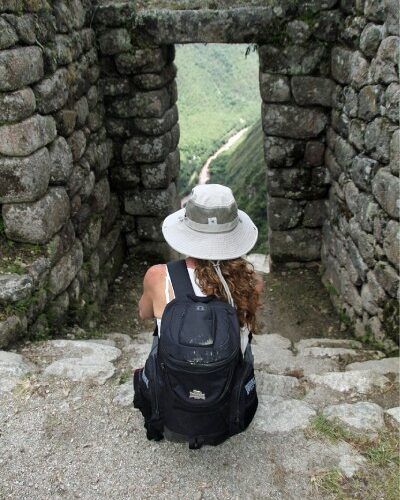
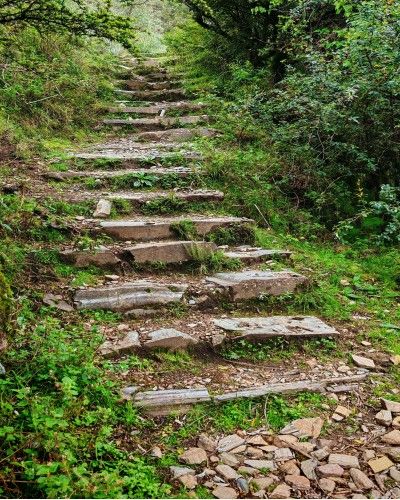
Being well-prepared is essential to fully enjoy the legendary Inca Trail to Machu Picchu. Along the route, you’ll encounter changing weather, stone steps, cloud forest humidity, and cool mountain nights — so having the right gear will ensure a safe, comfortable, and unforgettable adventure.
Lightweight layers (base layers, fleece, waterproof jacket)
A rain jacket or poncho
Comfortable trekking pants and quick-dry shirts
Warm hat and gloves for cold mornings
Sun hat and UV-protection sunglasses
SPF 50+ sunscreen and lip balm
Hiking boots or trail shoes with good grip
A comfortable daypack (20–30L)
Trekking poles (rubber tips required)
Refillable water bottle or hydration system
Energy snacks (nuts, bars, chocolate)
Headlamp or flashlight
Light sleeping bag (rated to 0°C to -5°C)
If you don’t know which month to choose for your hike, contact us and we will guide you and plan your trip together in a flexible and comfortable way.