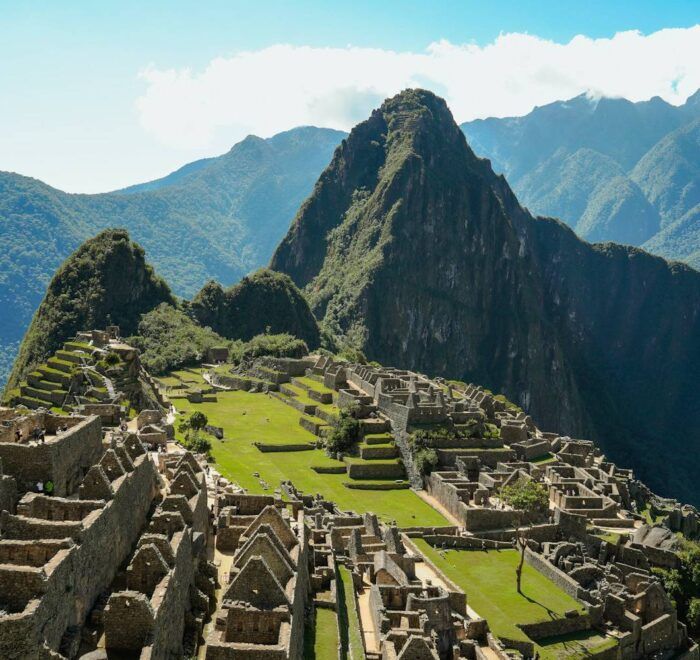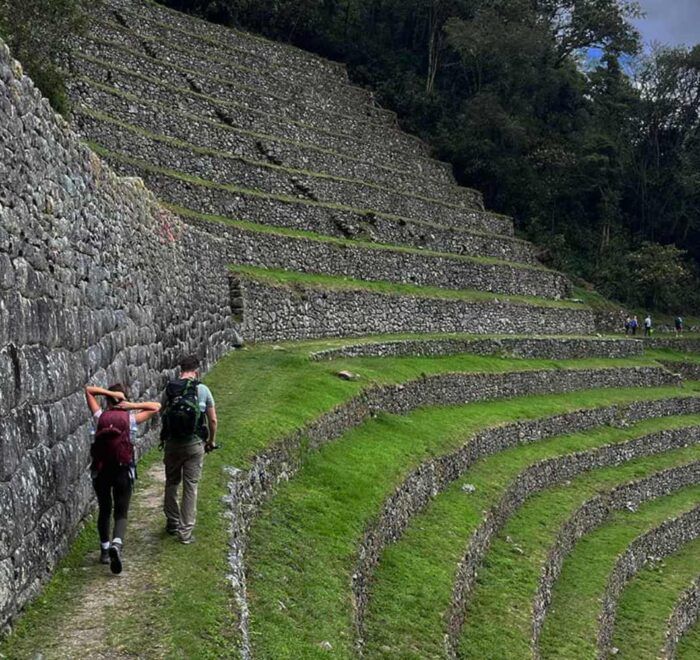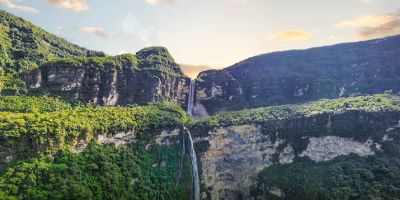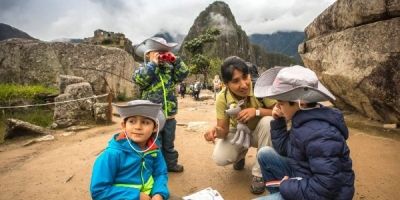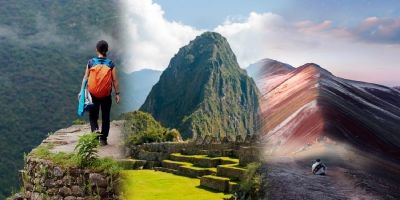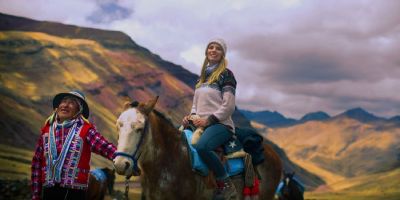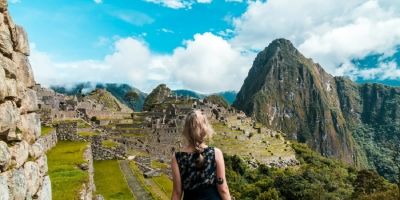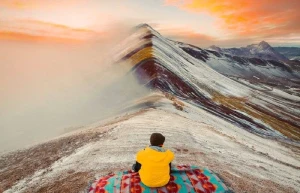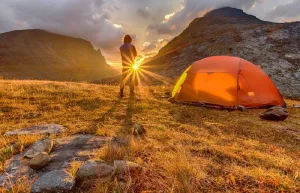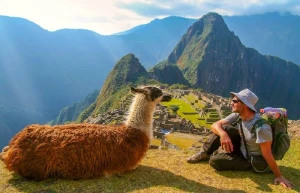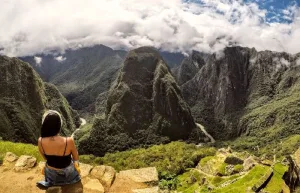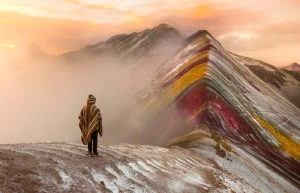

If you’re wondering how to avoid altitude sickness in Peru, this complete guide will help you prepare safely for high-altitude treks like the Inca Trail, Salkantay, and Ausangate. Trekking in the Peruvian Andes is one of the most rewarding travel experiences in the world, offering breathtaking landscapes, ancient trails, and unforgettable cultural encounters. However, the high elevation can challenge even experienced hikers if proper preparation is not taken.
Altitude sickness doesn’t mean your adventure has to be ruined. With the right acclimatization, hydration, nutrition, and pacing, most travelers enjoy their trek comfortably and safely. This guide shares expert advice from local trekking professionals to help you enjoy every step of your journey in Peru.

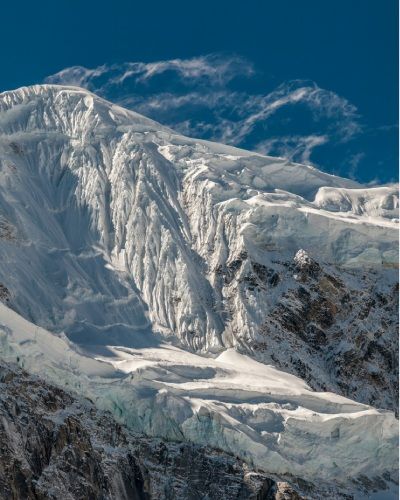
Altitude sickness, also called Acute Mountain Sickness (AMS), occurs when your body struggles to adapt to lower oxygen levels at elevations above 2,500 meters (8,200 ft). The air contains less oxygen, causing your body to work harder to deliver oxygen to muscles and organs.
Common symptoms include headache, nausea, dizziness, fatigue, shortness of breath, trouble sleeping, and loss of appetite. While most cases are mild, ignoring symptoms can lead to more serious conditions such as High Altitude Pulmonary Edema (HAPE) or High Altitude Cerebral Edema (HACE), which require immediate descent and medical attention. Knowing the signs early helps you act quickly and stay safe.
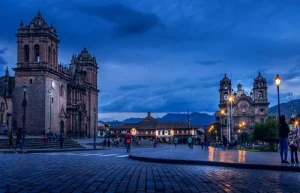
One of the most effective ways to avoid altitude sickness in Peru is to arrive early and give your body time to adjust. Spend at least 2–3 days in Cusco or the Sacred Valley before starting your trek.
During this time:
Take short, easy walks
Avoid strenuous activity
Drink plenty of water
Eat light meals
Get good rest
Starting your trek too soon after arrival is one of the most common causes of altitude sickness. Acclimatization allows your body to increase red blood cell production and improve oxygen efficiency naturally.
One of the most important trekking principles in Peru is: walk slowly and breathe deeply. Even strong hikers struggle if they move too fast at altitude. Follow your guide’s pace, take short breaks, and avoid rushing uphill sections.
By maintaining a steady rhythm, your body uses oxygen more efficiently and reduces strain on your heart and lungs.
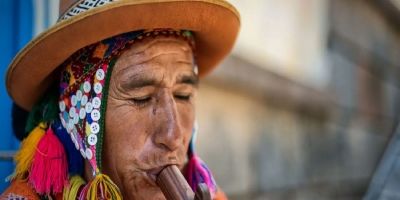
Coca leaves have been used by Andean cultures for centuries to relieve altitude symptoms. Coca tea is legal in Peru and commonly served in hotels and lodges in Cusco and trekking routes.
Many travelers report relief from headaches, nausea, and fatigue after drinking coca tea. While it’s not a cure, it can be a helpful natural supplement alongside hydration and rest.
Never ignore symptoms. If headaches worsen, vomiting occurs, balance is affected, or breathing becomes difficult, descend immediately and seek medical help. Reputable trekking companies in Peru carry oxygen tanks and first-aid kits and are trained to manage altitude-related situations.
Your health always comes first — no summit or viewpoint is worth risking your safety.
| Trek | Maximum Altitude |
|---|---|
| Inca Trail | 4,215 m / 13,828 ft |
| Salkantay Trek | 4,650 m / 15,255 ft |
| Ausangate Trek | 5,200 m / 17,060 ft |
✔ Arrive in Cusco at least 2–3 days early
✔ Drink water constantly, even when not thirsty
✔ Walk slowly and take regular breaks
✔ Eat light, carbohydrate-rich meals
✔ Avoid alcohol before trekking
✔ Stay warm and well-rested
✔ Communicate symptoms to your guide immediately
Discover the best high-altitude trekking routes in Peru with expert local guides who prioritize your safety, comfort, and unforgettable experiences.
If you don’t know which month to choose for your hike, contact us and we will guide you and plan your trip together in a flexible and comfortable way.