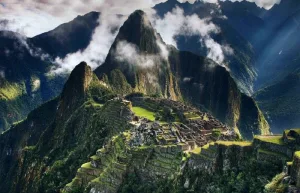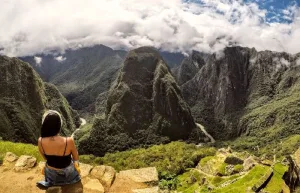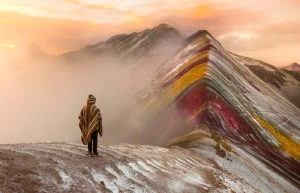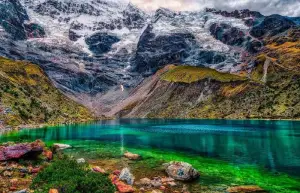

The Choquequirao Trek is one of the most remarkable and adventurous journeys travelers can experience in Peru. Hidden deep within the Andes Mountains, the ancient Inca complex of Choquequirao remains one of the most fascinating archaeological sites in South America. Although it is often compared to Machu Picchu, this destination offers a completely different experience. While Machu Picchu receives thousands of visitors every day, Choquequirao remains remote, mysterious, and largely unexplored.
For travelers looking for adventure and cultural discovery, the trek to Choquequirao offers something truly special. The journey requires effort and determination, but the reward is the opportunity to visit an ancient Inca city surrounded by breathtaking landscapes and untouched nature. This sense of discovery is what makes the experience unforgettable for those who decide to explore it.
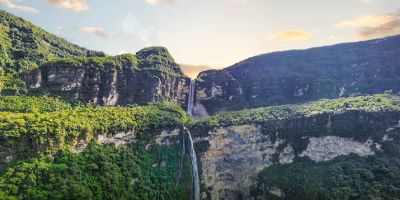
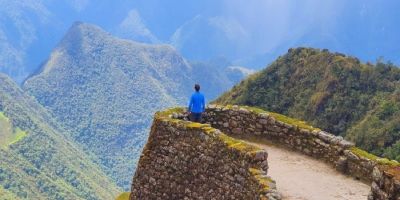
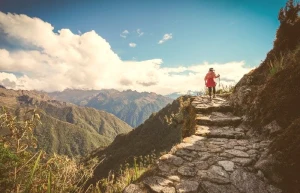
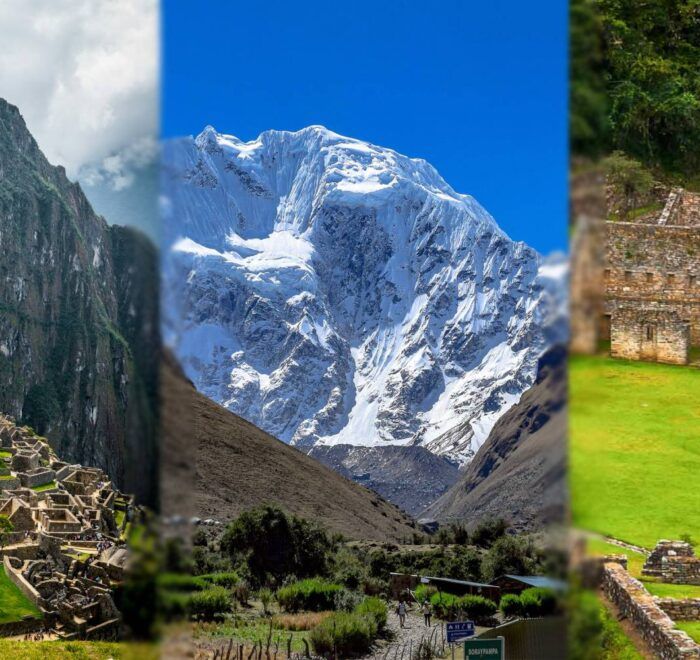
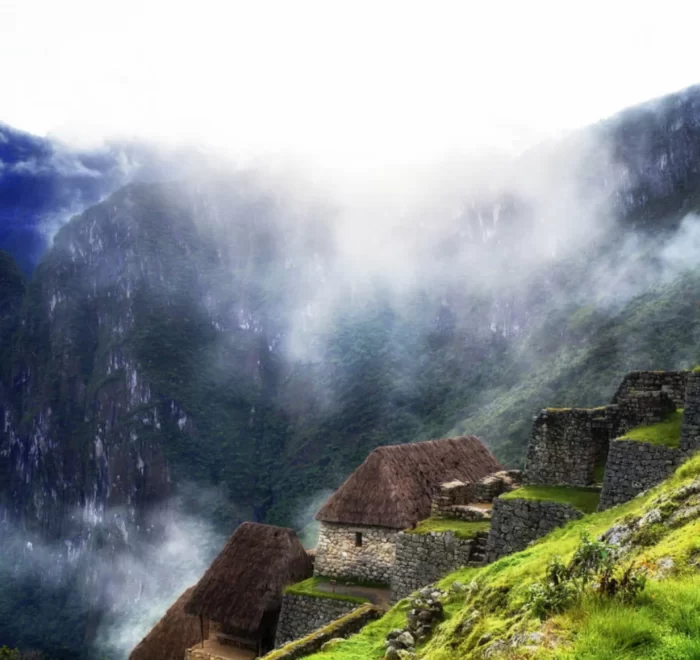
The trail leading to Choquequirao crosses deep valleys, dramatic mountain ridges, and lush cloud forests. Along the way, hikers witness some of the most impressive scenery in the Andes. The isolation of the region allows visitors to enjoy a peaceful environment where history and nature come together in a remarkable way.
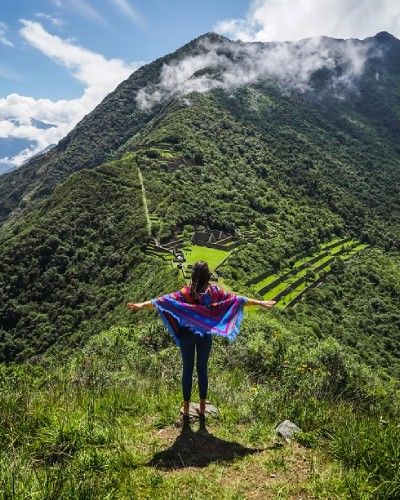
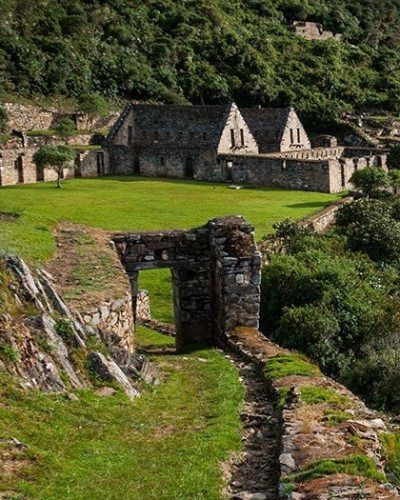
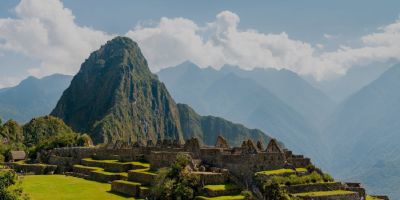
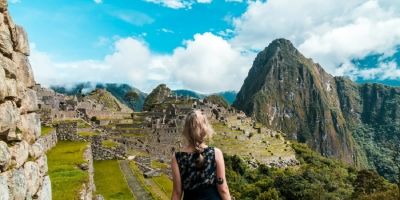
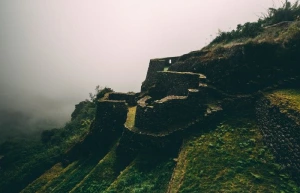
Choquequirao is an ancient Inca archaeological complex located high in the Andes Mountains in the Cusco region of Peru. The name “Choquequirao” comes from the Quechua language and is commonly translated as “Cradle of Gold.” The site sits at an altitude of more than 3,000 meters above sea level and overlooks the impressive canyon formed by the Apurímac River.
Archaeologists believe that the city was constructed during the 15th century, during the height of the Inca Empire. Like many other Inca settlements, Choquequirao includes temples, ceremonial plazas, residential buildings, and extensive agricultural terraces. These structures demonstrate the advanced engineering and architectural knowledge of the Incas, who were able to design complex cities in challenging mountain environments.
One of the most intriguing aspects of the site is that only a portion of the ruins has been fully uncovered. Experts estimate that a large part of the archaeological complex is still hidden beneath dense vegetation. This means that Choquequirao remains an active area of archaeological research, with new discoveries continuing to reveal more about the history of the Inca civilization.
Because of its remote location, the site remained relatively unknown for centuries. Today it is slowly gaining recognition among historians, archaeologists, and adventurous travelers who wish to explore a lesser-known part of Peru’s rich cultural heritage.
The history of Choquequirao is closely connected to the expansion and development of the Inca Empire. During the 15th century, the Incas built an extensive network of cities, roads, and agricultural systems across the Andes Mountains. These settlements served different purposes, including administration, religion, and regional control.
Some historians believe that Choquequirao may have functioned as an important political or ceremonial center. Others suggest that it may have served as a refuge for the Incas during the period of Spanish conquest in the 16th century. When the Spanish arrived in the Andes, many Inca leaders retreated to remote regions in an effort to maintain their independence and preserve their culture.
Although the exact purpose of Choquequirao remains uncertain, the scale and complexity of the ruins indicate that it was an important settlement within the Inca world. The city includes large plazas, residential areas, and agricultural terraces that supported a thriving population.
These elements show how the Incas were able to adapt to the challenging environment of the Andes and create sustainable communities in remote mountain locations.
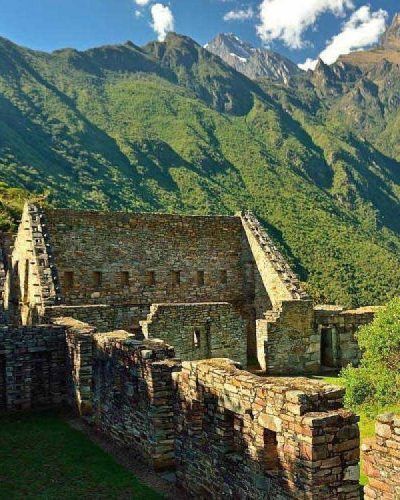
One of the most fascinating aspects of Choquequirao is the remarkable architecture found throughout the site. The Incas were master builders who constructed their cities using precisely cut stone and carefully planned urban designs.
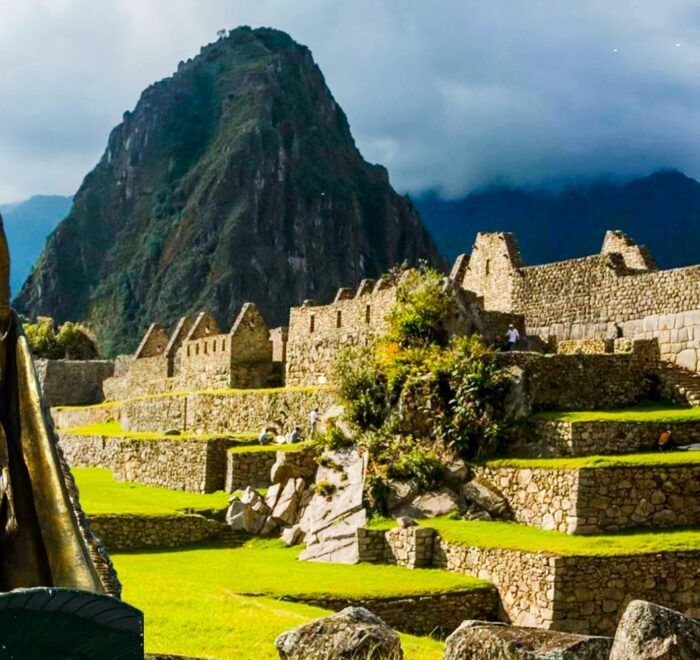
The city is organized into several sectors connected by stairways and terraces that follow the natural contours of the mountain. These terraces served an important agricultural function, allowing the Incas to cultivate crops in steep terrain while preventing erosion and controlling water flow.
Many of the structures found at the site were used as living quarters, ceremonial spaces, and storage facilities. Large plazas likely served as gathering places for social and religious activities, while temples may have been dedicated to important Inca deities.
Among the most unique features of the site are the famous agricultural terraces decorated with white stone figures that resemble llamas. These designs are embedded directly into the terrace walls and are believed to represent llama caravans, which played an important role in trade and transportation in the Andes.
The architectural design of Choquequirao reflects the Incas’ deep understanding of their environment and their ability to harmonize construction with the surrounding landscape.
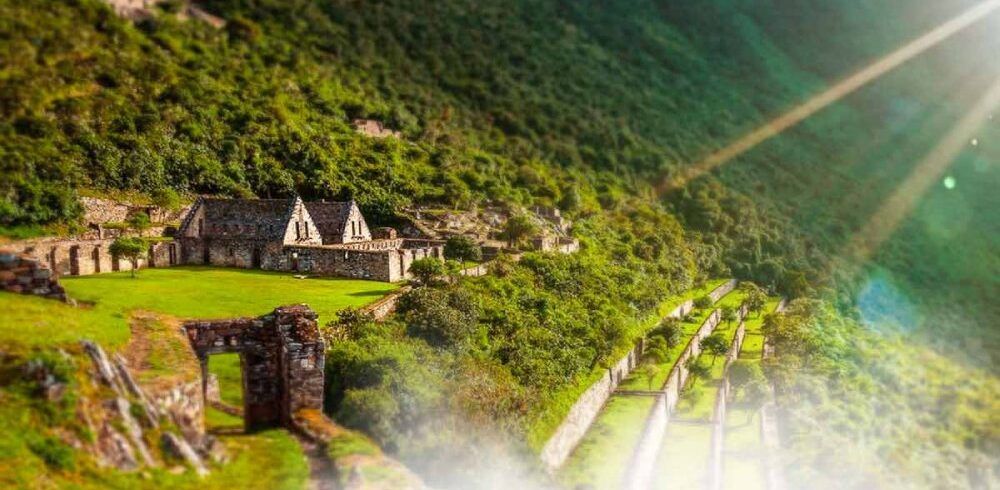
Reaching Choquequirao requires a challenging journey through one of the most dramatic landscapes in the Andes. The trek usually begins near the small village of Cachora, which serves as the main access point for visitors traveling toward the ruins.
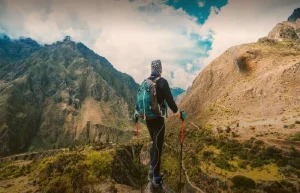
The trail descends into the Apurímac Canyon before climbing again toward the archaeological complex. This route includes steep sections and long distances, making it physically demanding for many hikers. However, the journey is also incredibly rewarding, offering breathtaking views and a strong sense of adventure.
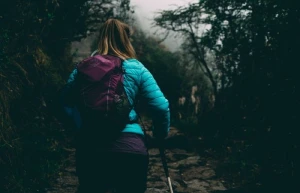
Along the route, travelers pass through diverse ecosystems that range from dry mountain slopes to humid cloud forests. The changing landscapes provide a rich variety of scenery and natural environments that make the journey especially memorable.
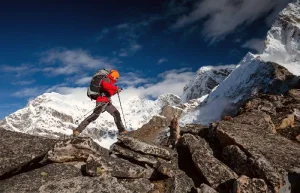
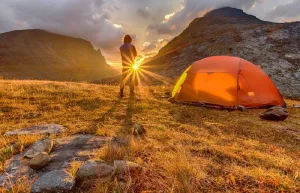
Because the trek requires several days to complete, visitors often camp along the trail. This allows travelers to fully immerse themselves in the natural surroundings and experience the tranquility of the Andes far from busy tourist areas.
The archaeological importance of Choquequirao continues to attract researchers and historians from around the world. Although it remains less famous than Machu Picchu, many experts believe the site may be similar in size and historical significance.
International cultural institutions have emphasized the importance of protecting and studying archaeological heritage throughout the Andes. Organizations such as UNESCO have highlighted the global value of preserving ancient cultural sites and promoting responsible tourism in regions rich in historical significance.
Ongoing archaeological work at Choquequirao continues to uncover new structures and artifacts that provide valuable information about the daily life, agricultural systems, and architectural achievements of the Inca civilization.
These discoveries help researchers better understand how the Incas organized their cities and maintained complex societies in mountainous environments.
The archaeological importance of Choquequirao continues to attract researchers and historians from around the world. Although it remains less famous than Machu Picchu, many experts believe the site may be similar in size and historical significance.
International cultural institutions have emphasized the importance of protecting and studying archaeological heritage throughout the Andes. Organizations such as UNESCO have highlighted the global value of preserving ancient cultural sites and promoting responsible tourism in regions rich in historical significance.
Ongoing archaeological work at Choquequirao continues to uncover new structures and artifacts that provide valuable information about the daily life, agricultural systems, and architectural achievements of the Inca civilization.
These discoveries help researchers better understand how the Incas organized their cities and maintained complex societies in mountainous environments.
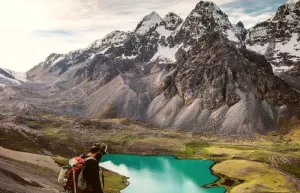
The region surrounding Choquequirao is not only important for its history but also for its extraordinary natural beauty. The trek passes through a variety of ecosystems that support diverse wildlife and plant life.
The dramatic geography of the Apurímac Canyon creates a stunning environment where mountains, rivers, and forests combine to form one of the most impressive landscapes in Peru. Visitors often encounter breathtaking viewpoints where the vast scale of the Andes becomes truly visible.
Because the area remains relatively isolated, the natural environment has been preserved in remarkable condition. This makes the journey especially appealing to travelers who appreciate both cultural exploration and nature.
The peaceful atmosphere of the region allows visitors to experience the Andes in a way that is increasingly rare in more heavily visited destinations.
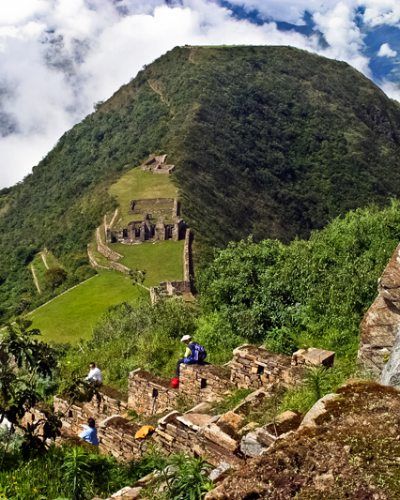
In recent years, Choquequirao has attracted growing attention from travelers interested in adventure tourism and cultural heritage. Many experts believe that the site has the potential to become one of the most important archaeological destinations in Peru.
At the same time, there is a strong interest in protecting the natural and historical integrity of the region. Responsible tourism practices are considered essential to ensure that future generations will be able to appreciate this remarkable site.
For now, Choquequirao remains a destination for travelers who are willing to go beyond the most popular routes and explore a place where history, nature, and adventure come together.
The Choquequirao Trek offers a unique opportunity to explore one of the most mysterious and impressive archaeological sites in the Andes. The journey combines physical challenge, breathtaking landscapes, and a deep connection with the history of the Inca civilization.
For many travelers, the experience represents a rare chance to discover an ancient city in a peaceful and remote environment. Standing among the terraces and stone structures of Choquequirao, surrounded by mountains and silence, visitors can truly appreciate the ingenuity and resilience of the Inca people.
Those who complete the trek often describe it as one of the most rewarding travel experiences in Peru. The combination of adventure, culture, and natural beauty makes the journey unforgettable and leaves visitors with a deeper appreciation for the remarkable legacy of the Inca civilization.
If you don’t know which month to choose for your hike, contact us and we will guide you and plan your trip together in a flexible and comfortable way.