Peru is home to some of the world’s most legendary trekking routes, but two stand above the rest: the Inca Trail Trek and the Salkantay Trek. Both lead travelers through breathtaking Andean landscapes and ultimately toward Machu Picchu, yet they offer completely different experiences in terms of scenery, culture, difficulty, altitude, crowd levels, comfort, and adventure style.
If you’re wondering which trek is better for your travel goals, fitness level, schedule, or travel style, this complete guide breaks down everything you need to know about the Inca Trail and Salkantay Trek — so you can choose the route that fits your dream adventure in Peru.
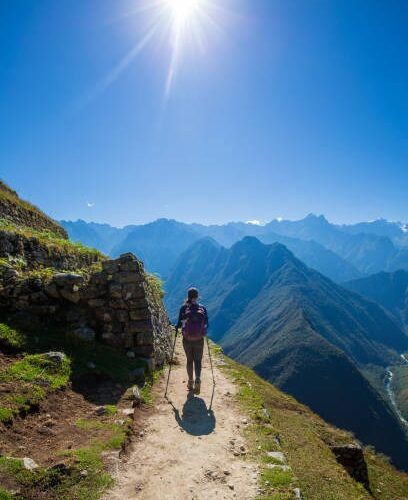
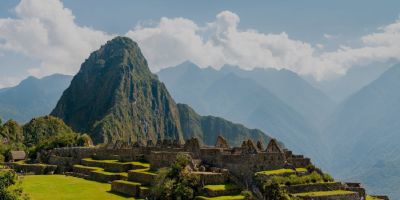
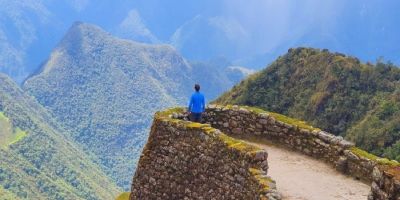
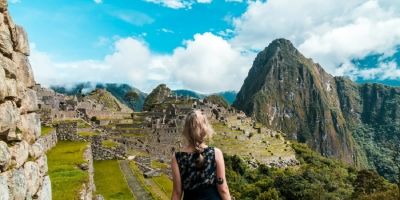
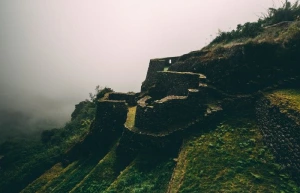
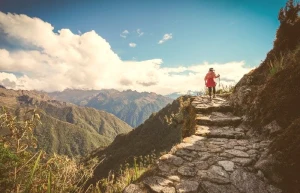
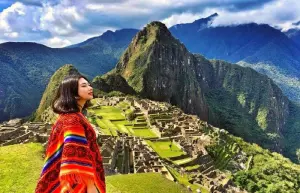
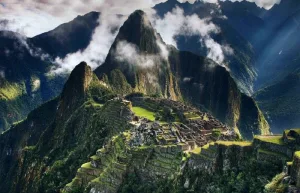
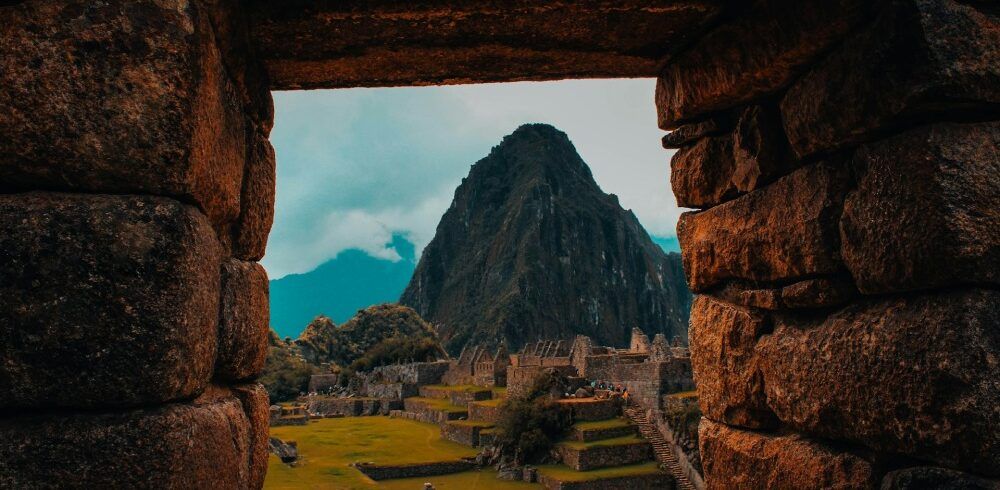
The Inca Trail to Machu Picchu is the most famous trekking route in South America and one of the most iconic hikes in the world. This historic trail follows original stone pathways built by the Incas, passing through ancient ruins, cloud forests, mountain passes, and archaeological complexes that can only be accessed on foot.
The highlight of the journey is arriving at Machu Picchu through the legendary Sun Gate (Inti Punku) at sunrise — a once-in-a-lifetime experience.
✔ Ancient Inca stone paths
✔ Multiple archaeological sites along the trail
✔ Entry to Machu Picchu through the Sun Gate
✔ Moderate difficulty
✔ Strong cultural and historical focus
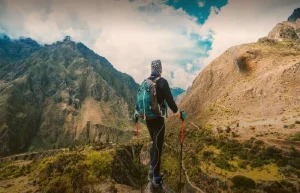
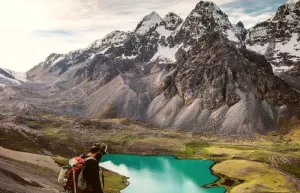
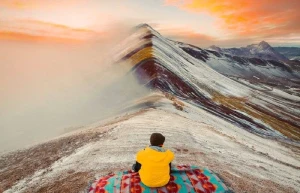
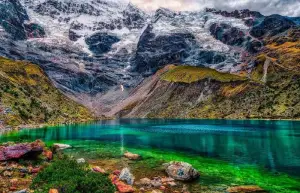
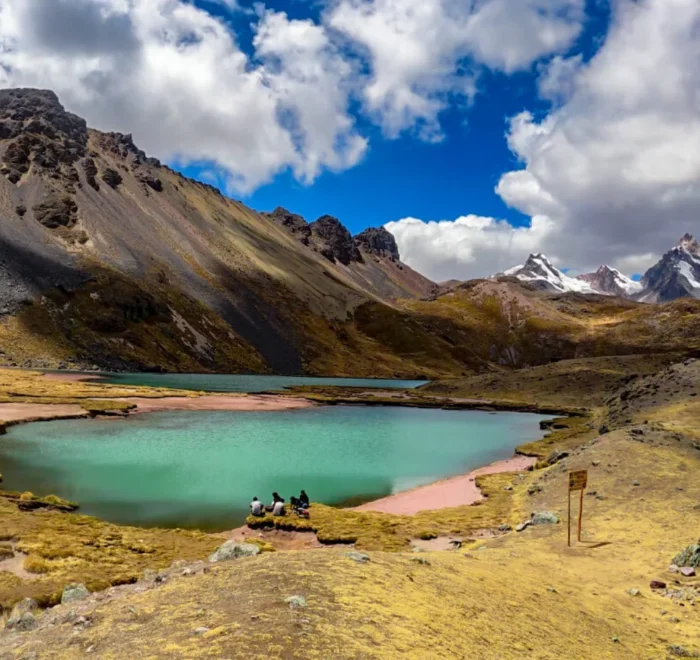
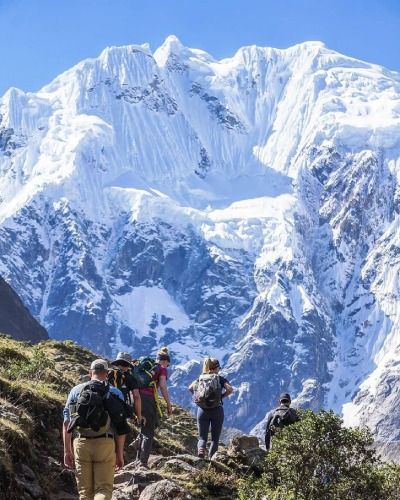
The Salkantay Trek to Machu Picchu is a high-altitude adventure route that passes beneath the massive Salkantay Mountain (6,271 m / 20,574 ft), one of the most sacred peaks in the Andes. This route offers dramatic glaciers, turquoise lakes, high mountain passes, and wide-open landscapes before descending into lush cloud forests and coffee-growing regions.
Unlike the Inca Trail, Salkantay focuses more on natural beauty, adventure, and solitude, with fewer archaeological sites but much grander mountain scenery.
✔ Glaciers, snow-capped peaks, and alpine valleys
✔ High-altitude mountain passes
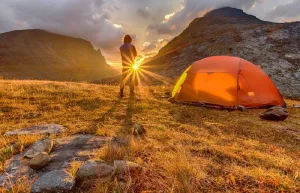
✔ Fewer crowds and greater wilderness feeling
✔ More physically demanding
✔ Diverse ecosystems from high Andes to jungle
The Inca Trail is unmatched in terms of archaeology and history. Along the route, trekkers visit multiple Inca sites such as Llactapata, Runkurakay, Sayacmarca, Phuyupatamarca, and Wiñay Wayna, gaining insight into Inca engineering, spirituality, and road systems.
Guides interpret these ruins, making the journey feel like walking through living history.
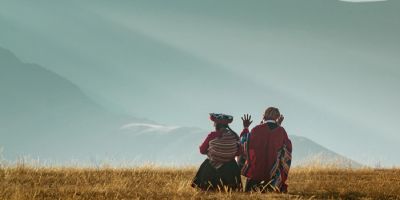
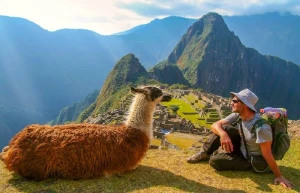
The Salkantay Trek focuses more on Andean rural life than archaeology. Travelers encounter remote villages, llama and alpaca herders, highland farming communities, and traditional lifestyles.
While ruins are limited, cultural immersion is strong through community interactions and local hospitality.
The Inca Trail is considered moderate difficulty, suitable for travelers with reasonable fitness and no technical trekking experience. The trail is well maintained, and daily hiking distances are manageable.
The hardest section is Dead Woman’s Pass (4,215 m / 13,828 ft) on Day 2.
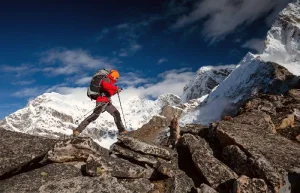
The Salkantay Trek is moderate to challenging, due to:
✔ Higher altitude
✔ Longer hiking distances
✔ Steeper ascents
✔ Colder temperatures
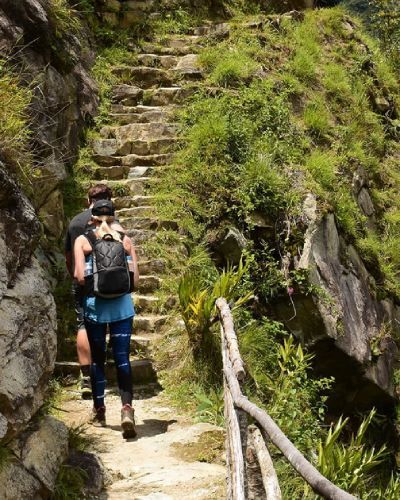
Both treks reach high elevations, but Salkantay climbs higher and spends more time above 4,000 meters.
✔ Inca Trail highest point: 4,215 m
✔ Salkantay Trek highest point: 4,650 m
Travelers sensitive to altitude may find the Inca Trail more manageable, while experienced hikers often enjoy Salkantay’s greater physical challenge.
The Inca Trail is strictly regulated:
✔ Limited to 500 people per day (including staff)
✔ Must be booked 4–6 months in advance
✔ Only licensed operators allowed
Permits often sell out quickly, especially for May–September.
The Salkantay Trek:
✔ Requires no permits
✔ Can be booked last minute
✔ Offers greater flexibility
✔ Operates year-round (weather permitting)
This makes Salkantay ideal for spontaneous travelers or peak-season visitors.
| Category | Inca Trail | Salkantay Trek |
|---|---|---|
| Overall Difficulty | Moderate | Moderate to Challenging |
| Highest Point | 4,215 m | 4,650 m |
| Daily Hiking Distance | Shorter | Longer |
| Terrain | Stone steps & jungle trails | Alpine passes & mountain valleys |
| Climate | Mild to cool | Cold at high altitudes |
| Best for Beginners | ✅ Yes | ⚠️ Better for experienced hikers |
No. Salkantay generalmente es más exigente físicamente debido a la mayor altitud y las distancias más largas.
Salkantay ofrece paisajes montañosos más espectaculares, mientras que el Camino Inca ofrece un paisaje arqueológico más rico.
El Camino Inca es más adecuado para principiantes con buena condición física y aclimatación.
Salkantay ofrece fotografías de montaña superiores, mientras que el Camino Inca sobresale en imágenes culturales e históricas.
Sí, muchos viajeros combinan Salkantay o Lares con visitas a Machu Picchu y caminatas más cortas.
If you don’t know which month to choose for your hike, contact us and we will guide you and plan your trip together in a flexible and comfortable way.