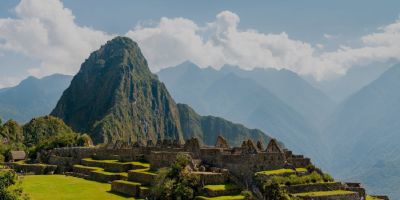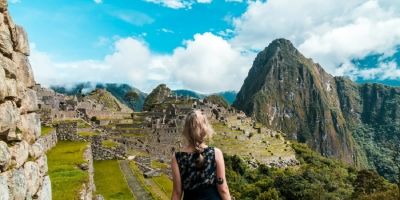
The Inca Trail is world-famous and often considered the ultimate hiking route to Machu Picchu. However, permits sell out months in advance, and growing crowds can limit the sense of adventure many travelers are seeking. The good news is that Peru offers several spectacular alternative treks to the Inca Trail, each delivering breathtaking scenery, rich Andean culture, fewer crowds, and unforgettable trekking experiences.
Whether you’re looking for snow-capped mountains, turquoise lakes, cloud forests, remote villages, or luxury camping options, there is a perfect route for every type of traveler. Many hikers even say these alternative treks surpass the Inca Trail in beauty, comfort, and solitude.
In this complete guide, we explore the best alternative hiking routes to Machu Picchu, comparing difficulty, altitude, landscapes, comfort, and who each trek is best for — helping you choose the ideal adventure for your journey through Peru.
Alternative treks offer several advantages:
✔ More availability than the Inca Trail
✔ Fewer crowds and more solitude
✔ Spectacular landscapes and diverse ecosystems
✔ Often more flexible itineraries
✔ Some include hot springs, glacier lakes, and cloud forests
Many travelers actually prefer these routes for their variety and authentic wilderness experience.
Difficulty: Moderate to challenging
Duration: 4–5 days
Max altitude: 4,650 m / 15,255 ft
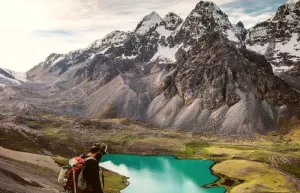
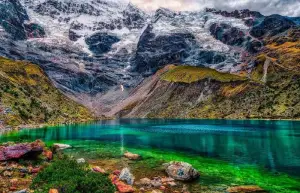
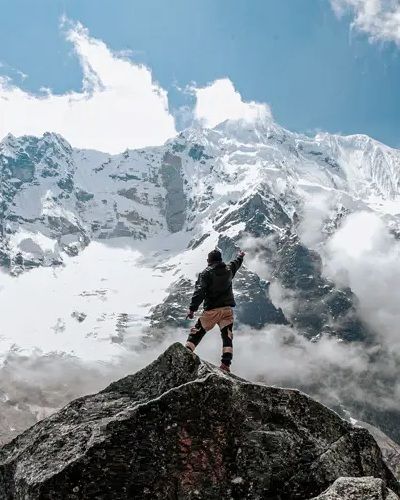
The Salkantay Trek is the most popular alternative to the Inca Trail and consistently ranks among the best treks in the world. This route takes you past snow-capped peaks, turquoise lakes, dramatic glaciers, waterfalls, and lush cloud forests before reaching Machu Picchu.
Humantay Lake
Salkantay Mountain views
Glacier valleys
Optional Sky Lodge & glamping experiences
👉 Best for: First-time trekkers, photographers, travelers who want comfort and epic scenery.
Difficulty: Moderate
Duration: 3–4 days
Max altitude: 4,400 m / 14,435 ft
The Lares Trek combines beautiful mountain scenery with relaxing natural hot springs in remote Andean villages. It offers cultural immersion, fewer crowds, and a soothing experience before continuing to Machu Picchu via the Sacred Valley.
Thermal baths in Lares
Authentic Quechua villages
Snowy peaks and alpine lakes
👉 Best for: Travelers seeking culture, relaxation, and moderate hiking.

Difficulty: Moderate
Duration: 3–4 days
Max altitude: 4,300 m / 14,100 ft
The Inca Jungle Trek blends hiking with mountain biking, rafting, ziplining, and jungle scenery. It’s a fun, fast-paced route that ends near Machu Picchu and appeals to younger travelers and thrill-seekers.
Mountain biking through valleys
Jungle trails and waterfalls
Coffee and cacao farms
👉 Best for: Adventure lovers and social travelers.
Difficulty: Very challenging
Duration: 7–9 days (or longer)
Max altitude: 4,700 m / 15,420 ft
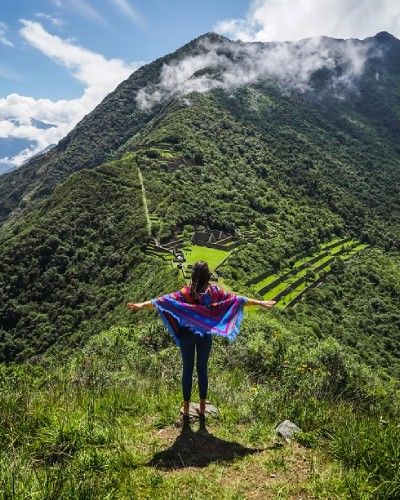
The Choquequirao Trek leads to one of the largest and least-visited Inca sites in South America — often called the “sister city” of Machu Picchu. Some extended routes connect Choquequirao to Machu Picchu, creating one of the most epic treks in the Andes.
Massive Inca ruins
Deep canyon crossings
Remote wilderness
👉 Best for: Experienced hikers seeking ultimate adventure.
Difficulty: Moderate
Duration: 2 days
Max altitude: 2,720 m / 8,924 ft
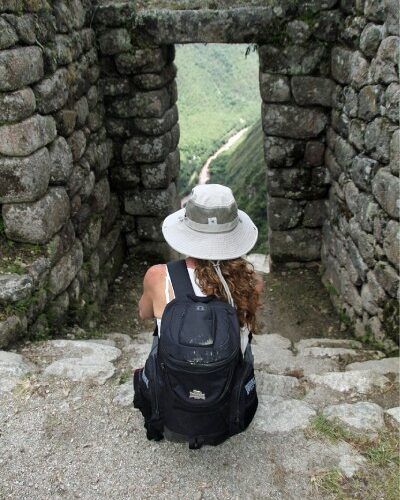
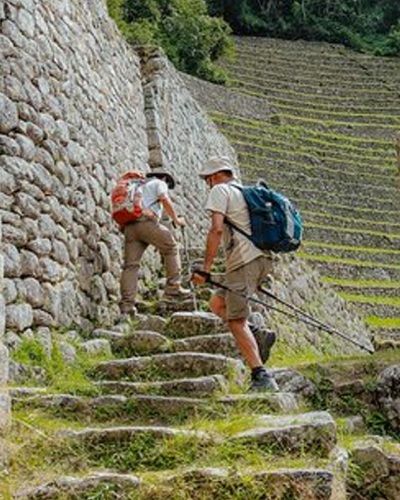
The Short Inca Trail is perfect for travelers short on time who still want to walk part of the original trail and enter Machu Picchu through the Sun Gate (Inti Punku).
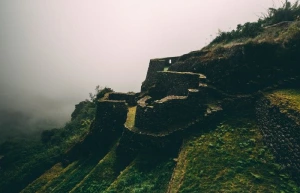
Wiñay Wayna ruins
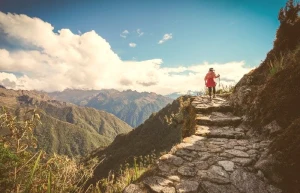
Classic Inca Trail stone paths
Sun Gate entrance
👉 Best for: Travelers with limited time who want a taste of the classic route.
| Trek | Difficulty | Duration | Crowds | Best For |
|---|---|---|---|---|
| Salkantay Trek | Moderate–Hard | 4–5 days | Medium | Scenic adventure |
| Lares Trek | Moderate | 3–4 days | Low | Culture + hot springs |
| Inca Jungle Trek | Moderate | 3–4 days | Medium | Adventure & fun |
| Choquequirao Trek | Very Hard | 7–9 days | Very Low | Hardcore trekking |
| Short Inca Trail | Moderate | 2 days | Medium | Short adventures |
The best months for alternative treks are May to September (dry season). April and October are great shoulder months with fewer crowds. January and February are the rainiest, and some routes may close in February.
If you don’t know which month to choose for your hike, contact us and we will guide you and plan your trip together in a flexible and comfortable way.